The Thread: Bukta
Before the game was global, it was local. And in Stockport, way back in the day, Bukta began stitching itself into the football world.
Back then, you arrived with purpose, not noise. Bukta was a family business, employing locals in their factory and crafting kits for the likes of Nottingham Forest as early as 1884. This was a time before football really knew what it was going to become. Before leagues settled, before television, before the idea of a “brand” in the modern sense.
What Bukta did, quietly, was give the game some structure. Shirts that matched. Colours that meant something. A sense that a club could look like a club.
The Origin
They didn’t just stop at football either. Bukta produced uniforms for the Scouts, the Girl Guides and later for the British Army during the First World War. It was proper industry. Local people, skilled work, garments made to last.
By the interwar years, Bukta had become a dominant force in British football, supplying clubs across the country and even producing kits for international sides.
It was everywhere without ever needing to tell you it was.
Building the Game
Because that’s really what Bukta helped do. It built the visual identity of football before anyone had properly defined it.
Clubs began to look like themselves. Supporters could recognise their team at a glance. Shirts became part of the ritual. Something you wore, something you held onto, something that carried meaning beyond the ninety minutes.
Bukta sat at the centre of that shift without ever trying to own it.
The Peak Years
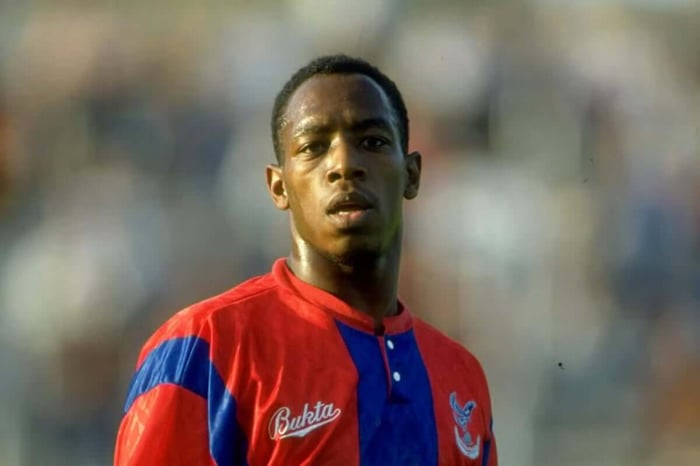
The brand reached its cultural peak in the 70s and 80s, becoming synonymous with bold designs, early sponsorship integration and a distinctly British aesthetic.
Shirts started to feel bigger in this period. Louder. Broadcast into living rooms. Worn on terraces that were packed tight every weekend. Bukta leaned into that without losing itself.
There was still something grounded about it. Something real. You saw it on the pitch with clubs like Crystal Palace, Newcastle United and Derby County. Kits that didn’t feel over-designed or over-thought, just right for the time they were in. Heavy cotton. Proper collars. Sponsors arriving but not overpowering. The kind of shirts that age well because they weren’t trying too hard in the first place.
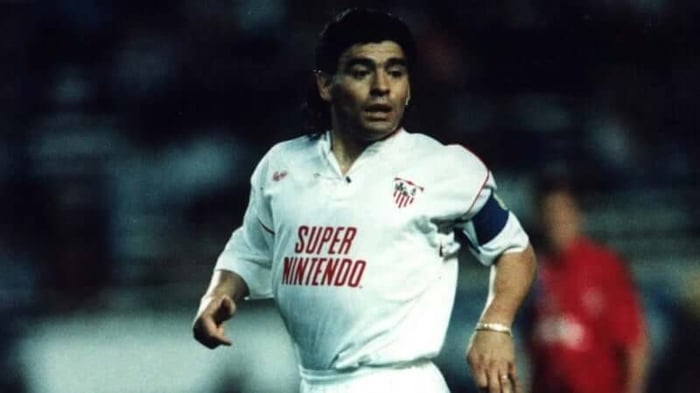
The Shift
Of course, the game eventually became global and local manufacturers were unable to compete with cheaper production and cooler brands from abroad. Scale, private equity, the usual bollocks.
The industry shifted quickly and once it did, it didn’t really look back. Bukta, like a lot of those early names, found itself pushed to the edges.
Why Bukta Matters
But for a time, a very long time actually, Bukta were at the core of what makes the game itself great. Not just what it looked like, but how it felt. The connection between club and place. Between shirt and supporter. They were about craftsmanship, not campaigns. About making something that lasted, not something that launched.
And that still matters. Because when you look back at those shirts now, they don’t feel like products. They feel like football.