Origins
Le Coq Sportif was born in 1882 in Romilly-sur-Seine, a small town in the Champagne region of France. At first it wasn’t a football brand at all. It was a family workshop producing knitwear and sports garments at a time when organised sport itself was still taking shape. But as football grew across Europe, the company began to stitch itself quietly into the game. In those early years, production remained local and deliberate. Garments were made with care, not scale. That approach would come to define the brand as sport began to professionalise. While others expanded rapidly, Le Coq Sportif retained something closer to its origins.
A Sense of Craft
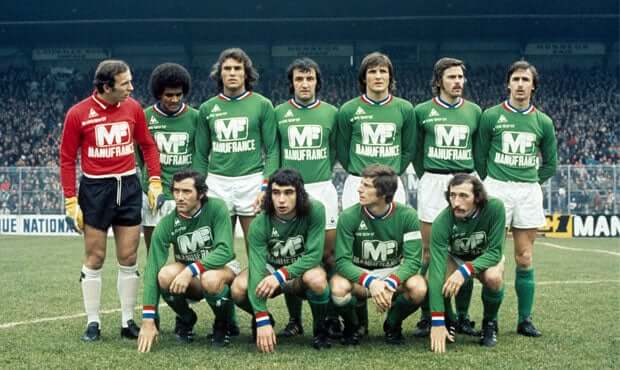
By the middle of the twentieth century, Le Coq Sportif had become something rare in sport. A manufacturer that felt elegant. The shirts were clean. The fabrics light. The crest, a simple rooster inside a triangle, carried a sense of French pride that felt timeless rather than commercial. It felt mythical too.
There was a restraint to the designs. Nothing felt excessive. Shirts were shaped as much by proportion and material as they were by colour. It was a way of making that reflected a broader French sensibility. Style without excess. Detail without decoration. At a time when football kits were becoming more widely produced, Le Coq Sportif retained a sense of craft. Shirts felt made rather than manufactured. They belonged to clubs and players in a way that modern templates rarely allow.
Football Finds Its Form
As football expanded across Europe, Le Coq Sportif’s place within the game became more defined. The brand supplied clubs and national teams at a time when the visual identity of football was still being written. What emerged was a consistent approach. Shirts that felt balanced. Designs that aged well. A quiet confidence that allowed the football to sit at the centre rather than the manufacturer. The rooster became more than a logo. It became a signal. A marker of quality and continuity in a sport that was beginning to change quickly.
1986
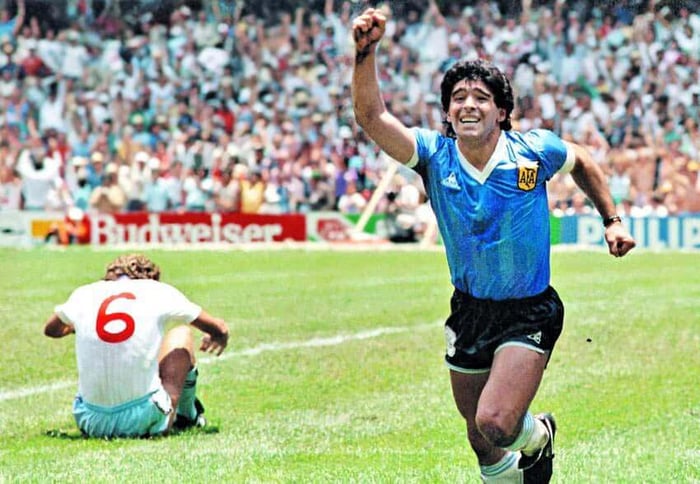
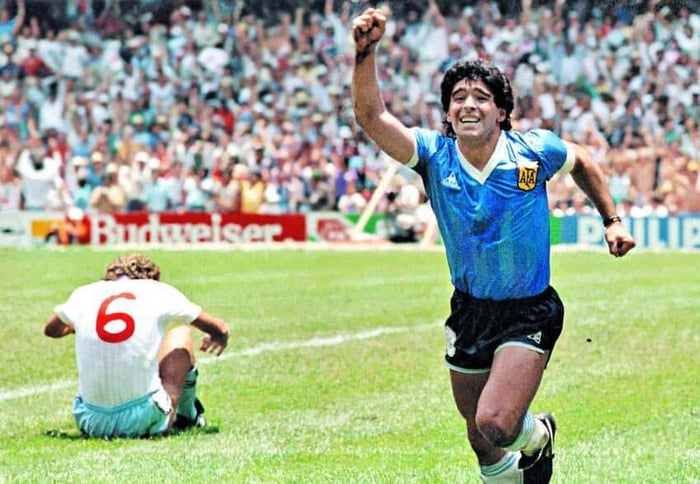
When Argentina won the World Cup in 1986, it was Le Coq Sportif who dressed Diego Maradona and a team that would become immortal. That moment sits at the centre of the brand’s footballing legacy. Maradona, in blue, under the heat of the Azteca, producing two of the most famous goals the game has ever seen. The shirt itself is inseparable from those images. It carries them. There is something fitting in that. A brand built on restraint becoming part of one of the most expressive individual performances football has known.
Beyond the Game
The brand’s reach stretched well beyond football. Tour de France yellow jerseys, Olympic podiums, tennis courts. For decades Le Coq Sportif supplied champions while keeping the same quiet philosophy. Make things properly. Let the shirt speak. This broader presence gave the brand a different kind of weight. It was not tied to one sport or one moment. It moved across disciplines, carrying the same identity with it.
A Changing Landscape
In the modern era the landscape changed. Global giants swallowed the market and the rooster’s presence faded from many of the biggest clubs. Scale replaced locality. Templates replaced individuality. But its legacy remains stitched into some of the game’s most romantic moments. Because Le Coq Sportif represents a different age of football manufacturing. One before templates and global launches. A time when shirts felt local, crafted and tied to place. It is an idea that has begun to return. Supporters looking back. Brands rediscovering heritage. A renewed appreciation for shirts that feel considered rather than produced.
The Thread
Le Coq Sportif did not just make kits. It helped define how football looked. The influence is still there. In the move back towards simpler silhouettes. In the value placed on heritage. In the understanding that a shirt can carry meaning beyond the pitch. The rooster remains. Quiet, deliberate and enduring.
Explore more manufacturers who shaped football’s visual identity: