Lotto's relationship with football is one of those stories that feels impossible now. A family-owned company from a small town in northern Italy somehow ended up dressing some of the biggest clubs and players in the world. Founded in 1973 in Montebelluna, the home of Italian sports footwear, Lotto initially focused on tennis. Football came later, but once it arrived, Lotto moved quickly. Lotto football kits became must-have items. The 90s became their golden era. The double-diamond logo was everywhere, adorning the kits and boots of the world's biggest clubs and most iconic players. There was no trick or major spend behind their popularity. It was just about making products people genuinely wanted to wear.
Fiorentina gave Lotto some of its most talked-about shirts, and not always for reasons the club would have chosen. The 1992/93 home kit, sponsored by Merloni's Ariston brand, carried a geometric pattern on the sleeve that resembled a swastika closely enough to force a mid-season redesign. It remains one of the most notorious kits in football history, and one of the hardest to find in good condition, largely because so few were produced before the change was made. A few years later, Fiorentina wore an equally memorable shirt sponsored by 7up, all violet and clean lines, which has since become a cult favourite among collectors who weren't even alive to see it worn. Between the two, Fiorentina's Lotto era produced shirts that collectors now chase for very different reasons, one for its infamy and one for its style.
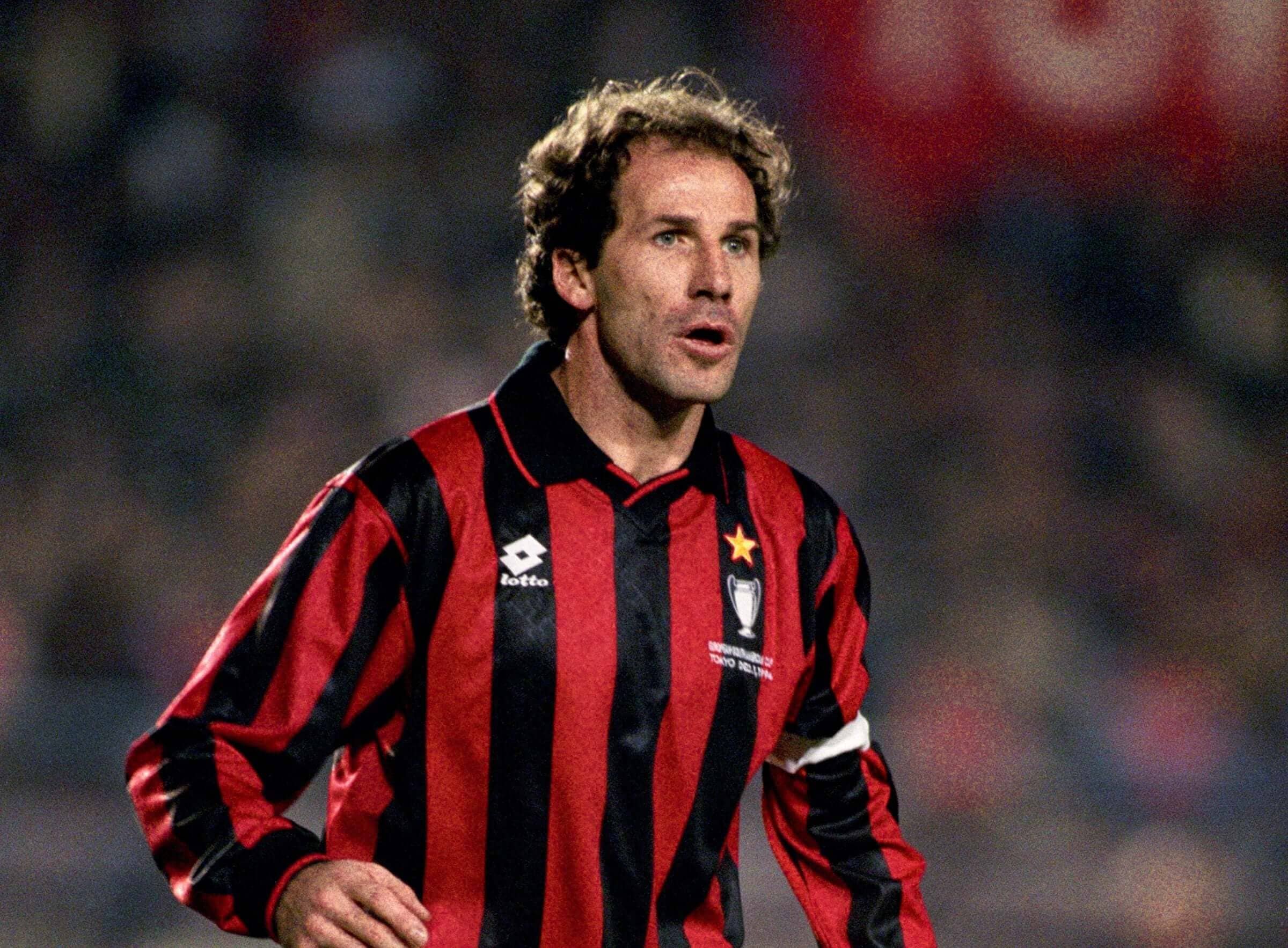
Elsewhere in Serie A, Lotto's presence ran even deeper. Parma's rise through the 90s, funded by Parmalat and built around players like Gianfranco Zola and later Hernan Crespo, coincided with some of the cleanest kit designs of the decade, understated by the standards of the era but unmistakably Lotto. AC Milan, meanwhile, wore Lotto during a period when the club were routinely the best team in Europe, and the double diamond sat proudly on shirts worn by Franco Baresi, Paolo Maldini and the rest of a defence that many still consider the finest ever assembled. For a brand still relatively young in football terms, sitting on the shirts of Milan's great side was a serious statement of arrival.
Lotto's reach went well beyond Italy too, and some of its most underrated work came through international football. Wales wore Lotto through the 1990s, kits now regarded as some of the most stylish of the decade despite the national side's struggles at the time. Ryan Giggs and Vinny Jones both wore the shirt, and the kits themselves, red with subtle detailing, have aged far better than Wales's results did during that period. Lotto also produced shirts for Croatia, Morocco, the Netherlands and Greece, a spread of nations that shows how far the brand had travelled from its tennis roots in Montebelluna. Each of these shirts carries its own following now, and several sit firmly in grail territory for collectors who specialise in 90s internationals.
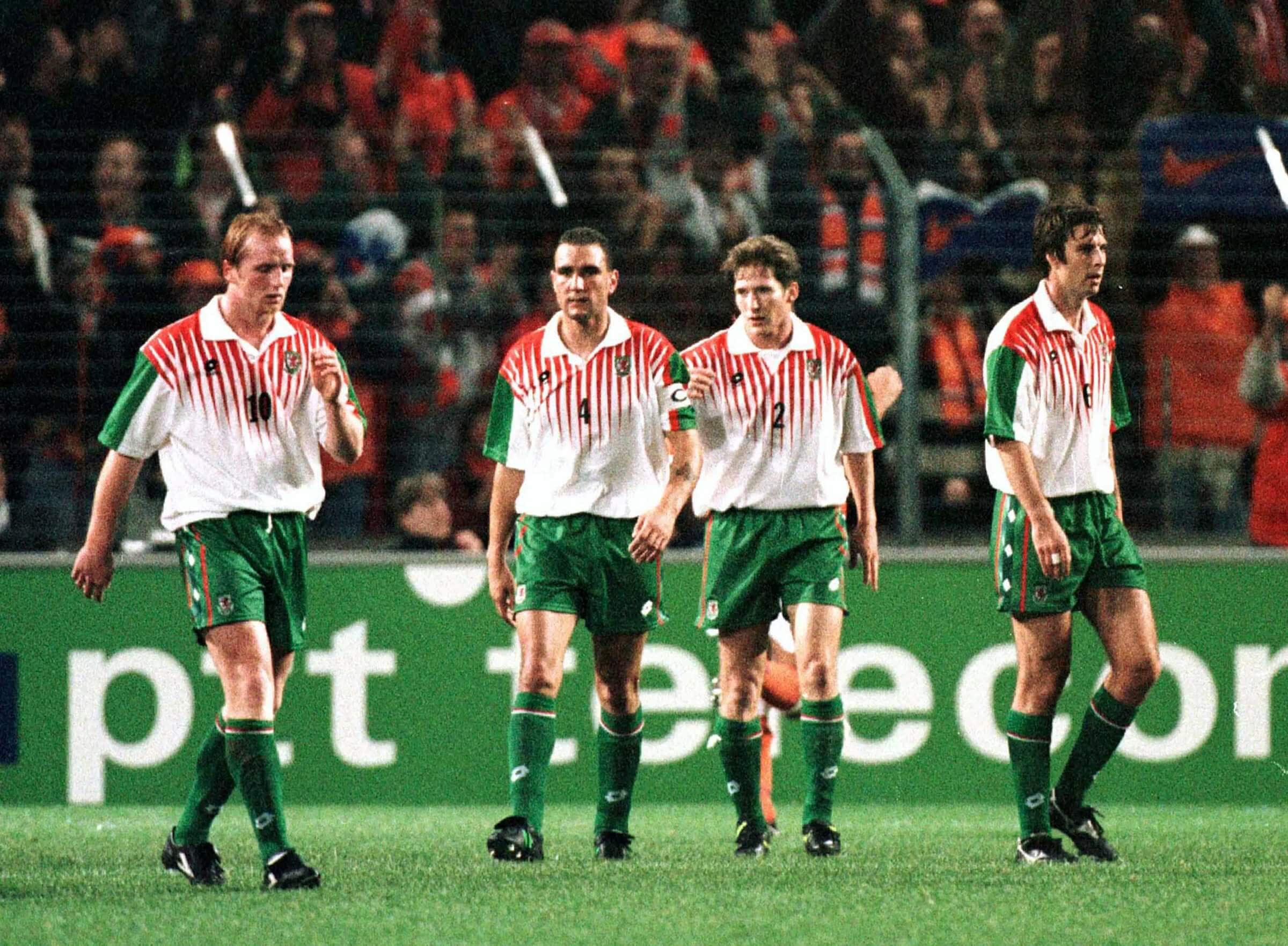
Usually, a Lotto shirt was a sign of a cultured footballer on a Sunday afternoon. Serie A was the best league on the planet and Lotto sat right in the middle of it. The kits were bold and the boots unmistakable, and the brand's association with technical, elegant players only added to the appeal. There was a sense that wearing Lotto meant something, even if nobody could quite articulate what.
Unlike many brands of its generation, Lotto never disappeared. They simply retreated a touch. They continue making some lovely clobber, and they still carry the quiet confidence of a brand that remembers when Italian football sat at the centre of the world. Today, football shirt collectors remain drawn to Lotto for one obvious reason. Maybe the brand no longer reminds them of football's future, sure, but there's no doubting it reminds them of its glorious past, and few brands from that era left behind such a rich and varied collector's trail, from Fiorentina's controversies to Milan's dominance to the quiet cool of a Welsh away shirt nobody expected to matter this much thirty years on.