Some countries leave their fingerprints on football in ways that extend far beyond the players they produce.
England, famously, gave the game its traditions. Italy taught it style and, to a large degree, how to defend. Germany brought relentless professionalism, while Brazil reminded the world that football should be a thing of joy. Japan, meanwhile, arrived much later but added something uniquely its own: precision.
Long before Japanese football was even really a thing, Japanese companies had earned a global reputation for craftsmanship and an almost obsessive pursuit of improvement and innovation. Cars became more reliable, cameras became sharper, and electronics became smaller and lighter. This idea of constant refinement became part of the country’s fabric, both in a philosophical and a literal sense.
Enter ASICS and its quietly admired foray into football. During the 1990s, the Japanese brand became synonymous with quality. At a time when almost every other manufacturer was fighting for attention, ASICS simply focused on getting things right. It meant that almost everything it produced took on a timeless quality which, as readers of Showboat are well aware, is something collectors treasure.
Showboat regularly attends and sponsors shirt fairs across the UK, including Retro Football Fair and The Vintage Football Fair. One thing we’ve noticed is the shirts that often go under the radar. They aren’t quite grails, but they’re genuinely sought after. ASICS football shirts almost always fall into this category. So we thought we’d dig a little deeper into the history of the company and cast our eye over some of its finest designs.
Born from Recovery
ASICS’ story began in the aftermath of the Second World War when Kihachiro Onitsuka founded a small sports shoe company in Kobe under the name Onitsuka Shokai. Japan was still rebuilding after its cities had been devastated and much of its industry dismantled. Having recently completed his military service, Onitsuka believed sport could play a small part in restoring both physical and mental wellbeing. Better athletes, he reasoned, could help create a healthier society.
His first products were basketball shoes, but the company’s ambitions quickly grew. Renamed Onitsuka Co., it expanded into running and athletics, earning a reputation for thoughtful engineering and meticulous craftsmanship long before football entered the picture.
In 1977, Onitsuka Co. merged with GTO and JELENK to form ASICS, a name derived from the Latin phrase anima sana in corpore sano - a sound mind in a sound body. Even today, it’s an unusual name within global sport. Adidas takes its name from founder Adolf “Adi” Dassler, while Nike is named after the Greek goddess of victory. Puma evokes speed and aggression. ASICS, by contrast, is a philosophy. It tells you almost everything you need to know about the company and the way it approached sport.
Readers of Phil Knight’s Shoe Dog will also know that, in many ways, there would be no Nike without Onitsuka. Before Nike existed, Knight imported and sold Onitsuka Tiger shoes in the United States through Blue Ribbon Sports. Their eventual split would become one of the defining moments in sportswear history, setting the stage for Nike’s emergence as a global powerhouse.
Footwear before Football
Football, at this point, wasn't anywhere near ASICS' radar. Running took priority. Athletics followed. Volleyball, wrestling and Olympic sports mattered because they more closely fit the company's obsession with performance. There was also the fact that football simply wasn't that big in Japan. The J League did not yet exist. Hidetoshi Nakata didn't either.
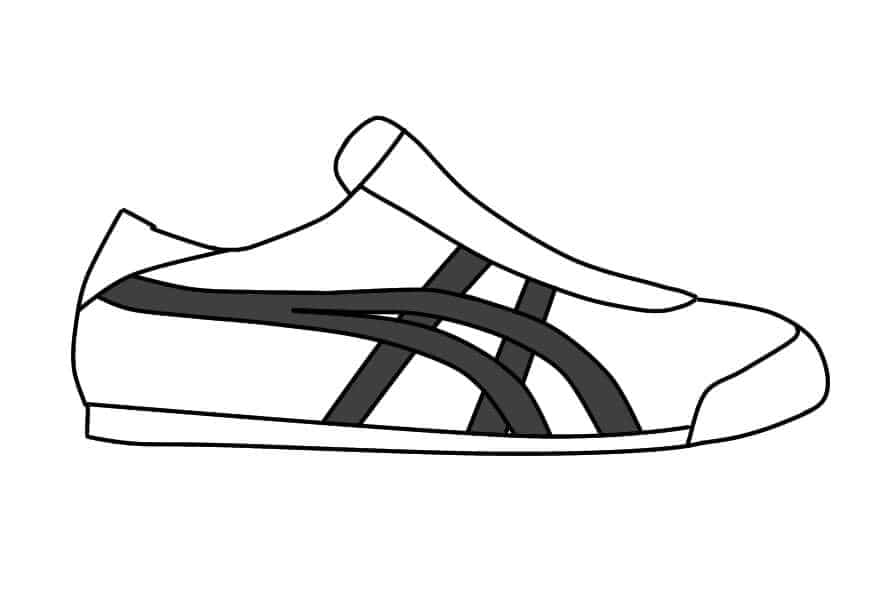
The Mexico 66, pictured above, was originally released as part of the company’s Mexico Line ahead of the 1966 World Cup. Over time, however, it became something much bigger than a shoe. Today, its crossed stripes are arguably more recognisable than the ASICS logo itself, which is some achievement.
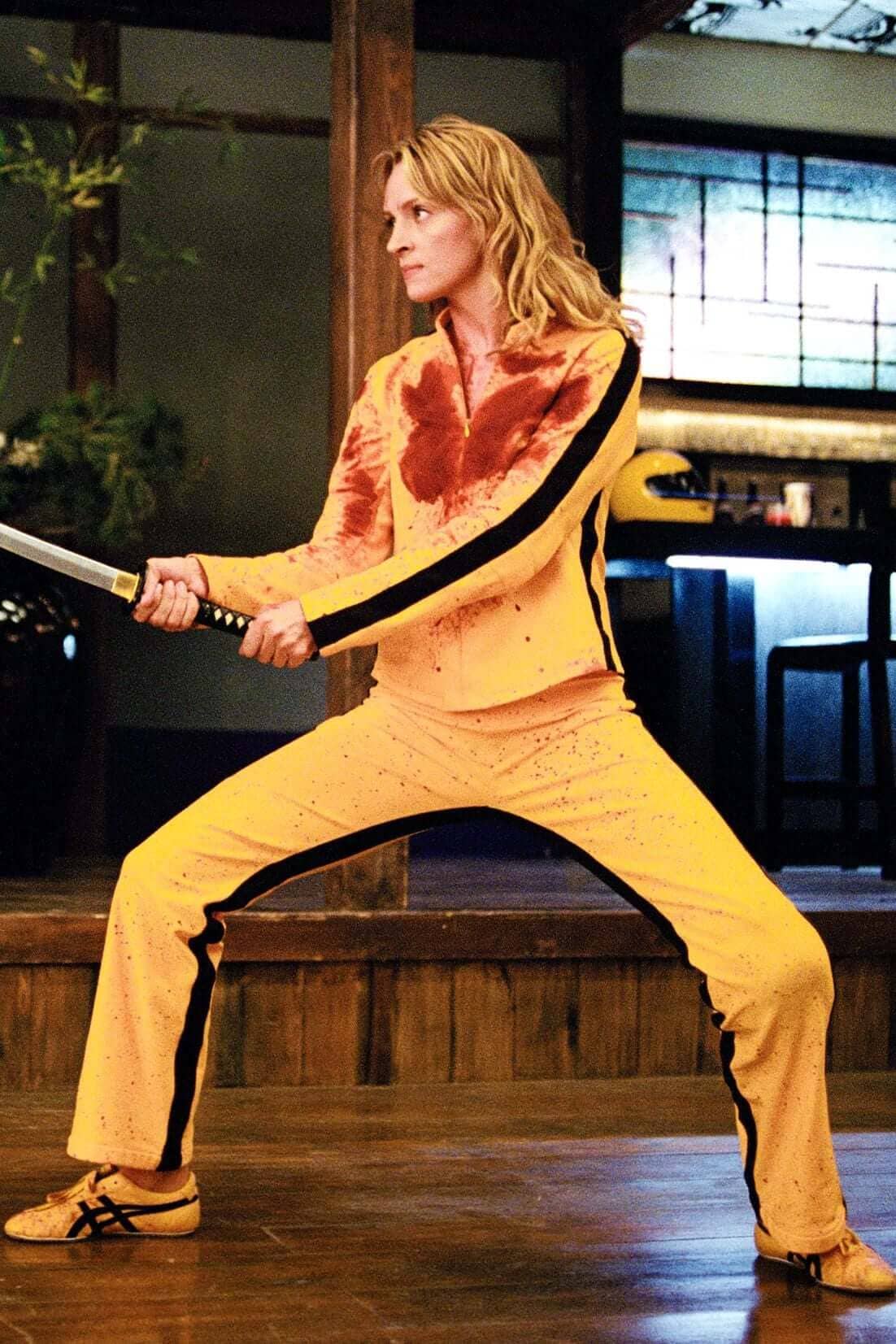
As the company grew and aligned itself with more and more elite athletes, the Mexico 66 became one of sport’s defining silhouettes. Decades later, ASICS would revive it under the Onitsuka Tiger lifestyle brand, introducing the shoe to an entirely new audience. It proved to be an inspired decision. The Mexico 66 found its way into popular culture, appearing everywhere from Kill Bill to the feet of Albert Hammond Jr of The Strokes, who still wears them on stage. But wedged somewhere between athletics and fashion was football.
A Foray into Football
Contrary to popular belief, ASICS’ first football kit partnership was with South Korea’s national team rather than Japan. Japan followed a year later in 1979.
The 1980s saw the company gradually expand its presence in the game. Greece’s national team wore ASICS, as did a number of top-flight Greek clubs. Some of the Panathinaikos shirts from this era are genuinely exceptional and now rank among the rarest ASICS football shirts you’ll come across. Olympiacos, meanwhile, produced some wonderfully over-the-top designs that could only have come from the 1980s.
Coventry City, Dundee United and Norwich City represented the company’s first move into British football, introducing supporters to a manufacturer whose philosophy felt noticeably different from many of its rivals.
Then, in 1990, everything changed.

The Sampdoria shirts of the early 1990s represent, for many, the pinnacle of football shirt design. Only this week, the club released their 2026/27 home shirt, paying homage to one of those iconic originals. Collectors can’t get enough of it. We spoke to Neal Heard, a man who knows a thing or two about football shirts, and he described it as high art. It’s difficult to argue. Those shirts helped set the benchmark for what football shirts could become during the decade. Poor Coventry City, it has to be said, didn’t quite receive the same treatment.
A series of spectacular shirts followed, each one resisting the temptation to rely on a single recognisable template. Every design felt considered. Blackburn Rovers’ shirts of the mid-1990s became forever tied to the club’s remarkable Premier League triumph and, of course, Alan Shearer. JEF United Ichihara produced some of the J.League’s most coveted shirts, while Aston Villa enjoyed a string of classics. ASICS never took its eye off the ball with Panathinaikos either. Newcastle United, Roma, Atalanta, Millwall and Leeds United all partnered with the Japanese manufacturer, hoping for that same sprinkling of magic. More often than not, they got it. The partnership with Sampdoria lasted from 1990 until 2004 and rarely missed the mark, even as football shirt design gradually shifted towards minimalism. ASICS always seemed to find another detail to refine, whether through subtle graphics, clever construction or those unmistakable collars.
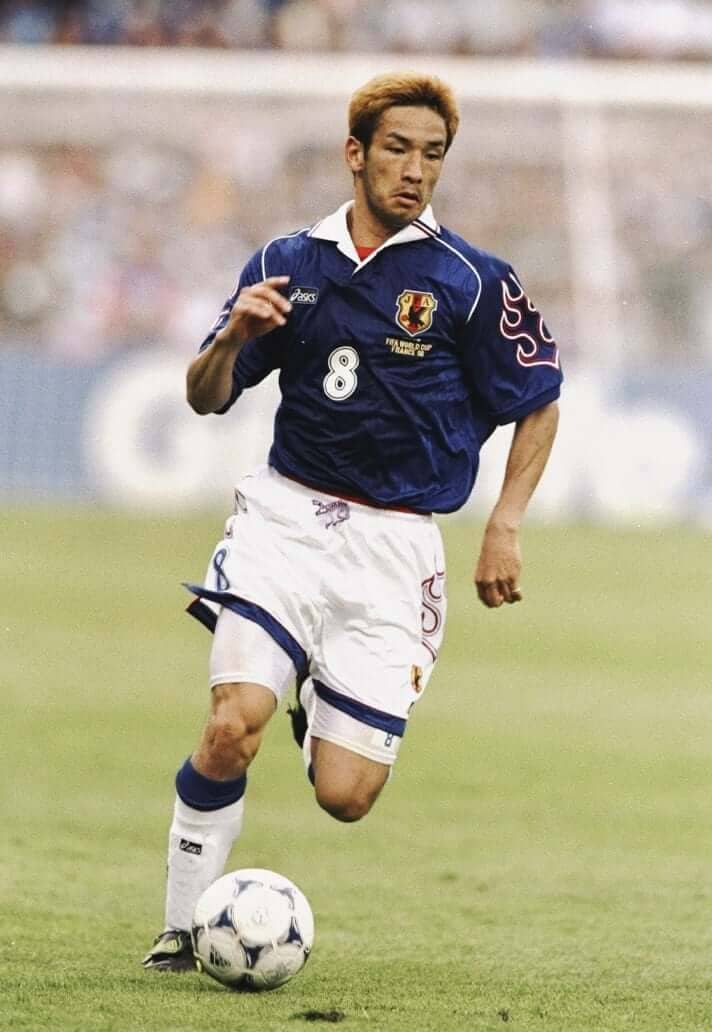
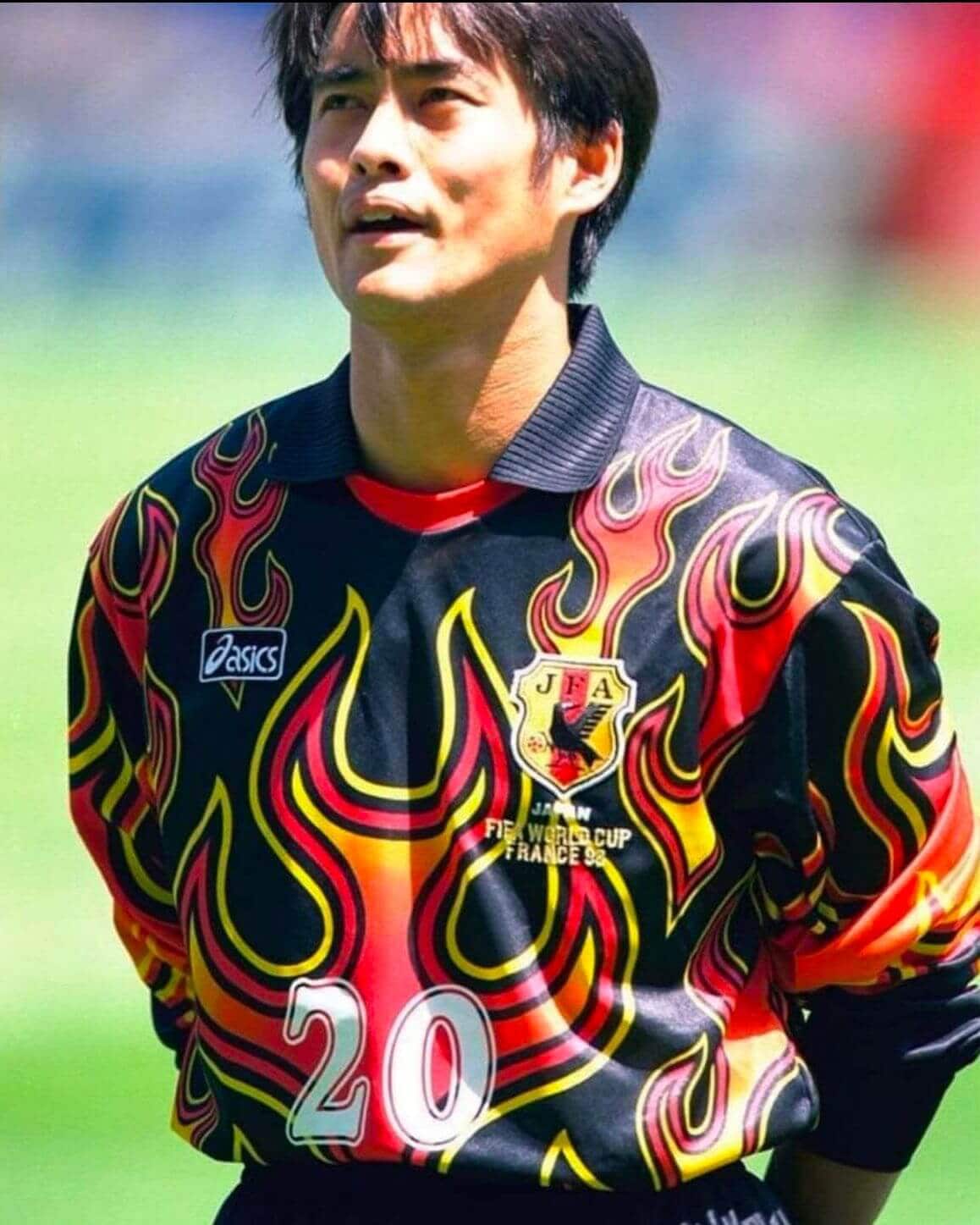
Remarkably, the company may even have surpassed its work with Sampdoria. The Japan national team’s shirts of the 1990s remain untouchable in our eyes. What’s particularly interesting is that Japan weren’t tied exclusively to ASICS during the decade, with Adidas, Puma and Nike all supplying the national team at various points. Yet the three ASICS eras - 1991, 1994 and 1998 - represent, for us at least, the absolute peak of international football shirt design. There aren’t many higher compliments than that.
ASICS’ retreat from top-flight football largely coincided with Nike and Adidas beginning to dominate the market on an unprecedented scale. Like Reebok and countless others, the company simply chose to focus its resources elsewhere, returning to the sports where performance engineering remained its greatest strength. It continued to flourish, just in a different arena.
But for a decade, give or take, ASICS stood alongside the very best football manufacturers in the world.
If you'd like to shop vintage ASICS football shirts you can do so on the Showboat marketplace which is available in app or on our website.