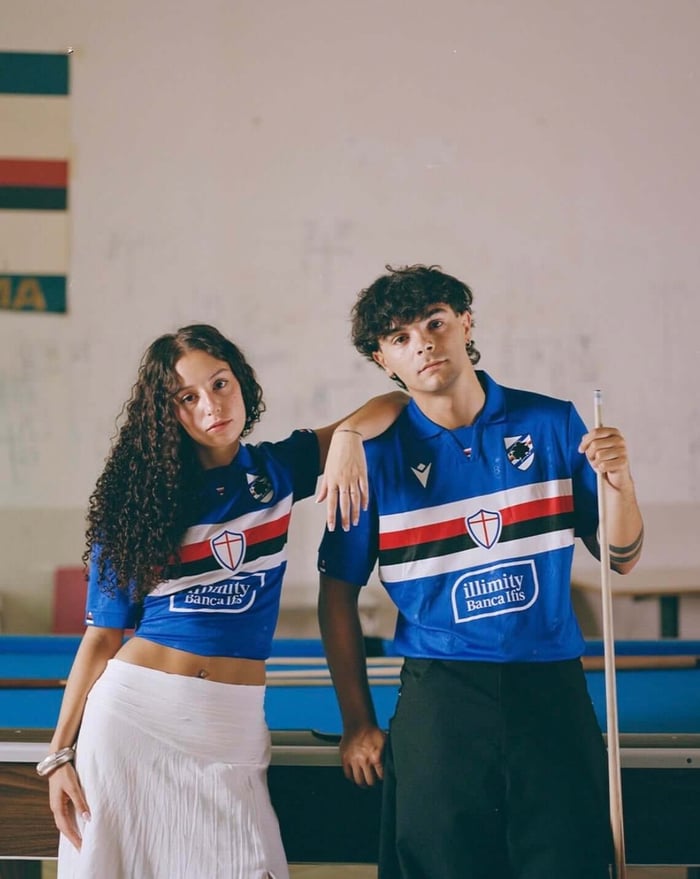
For a long time, Macron football shirts occupied a strange space in football culture. They were everywhere, but they were rarely the manufacturer anyone was particularly excited about. An Italian Castore, of sorts.
That is probably unfair considering how big the company has become. Macron was founded in Bologna in 1971 and originally operated as a distributor of baseball equipment in Italy. During the 1980s it moved into manufacturing sportswear for other brands, before beginning to establish Macron properly under its own name in the 1990s. Its first technical partnership with a professional football club did not arrive until 2001, when it began supplying hometown club Bologna. Today it works with more than 100 professional clubs, national teams and sporting federations across more than 25 countries.
But size and desirability are two different things. For much of the last couple of decades, Macron never quite had the cultural pull of adidas, Nike or Umbro. It didn’t have Kappa’s 1990s Serie A mythology or even the affection that surrounds manufacturers like Hummel, Lotto and Diadora. If your club announced Macron as its new kit supplier, the reaction was more likely to be a shrug than supporters immediately imagining what next season might look like.
There have also been some fairly persistent complaints from the people actually buying the shirts. The biggest is sizing. Macron shirts have traditionally been cut much slimmer than a lot of their competitors, to the point where supporters routinely advise one another to go up a size or sometimes two. Forest supporters were having that exact conversation four years ago, Cardiff rugby fans have complained about it, and supporters of Shamrock Rovers were still talking about the same issue this summer. There are complaints about heat-pressed crests and durability too, although experiences vary considerably.
There is something quite funny about a sportswear company becoming infamous for making a XXXL feel like a medium, but all of that helped create an image of Macron as functional rather than fashionable. A serious teamwear company, certainly, but not necessarily one whose logo added much excitement to a football shirt.
And then, somewhere along the way, Macron got really good.
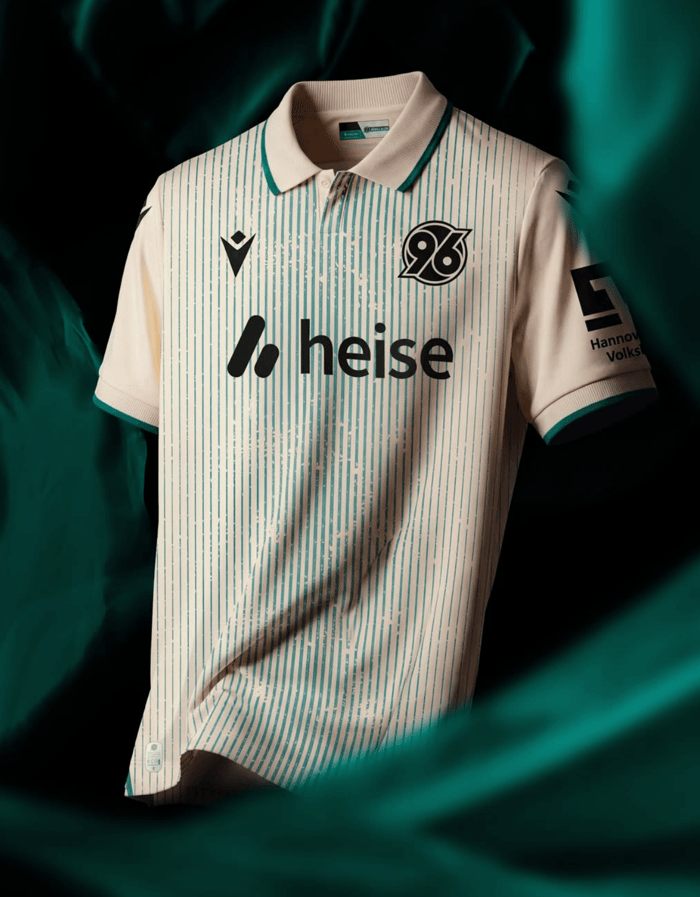
Perhaps they always were and we weren’t paying enough attention. There have certainly been excellent Macron shirts long before this season. But their 2026/27 output feels like a run of form that is becoming difficult to ignore.
The reason isn’t simply that the shirts look good. It is how different they look from one another. It feels like they're a lot more invested in the storytelling that fans crave in football shirts.
At Crystal Palace, Macron has returned to the sash that became such an important part of the club’s visual identity around the end of the 1970s, without simply recreating an old shirt. Red and blue stripes disperse across the body and the old circular crest brings just enough nostalgia without turning the whole thing into another retro remake.
Wrexham have gone somewhere completely different. Their away shirt takes inspiration from the slate landscape of North Wales, combining dark grey with red detailing and a Mandarin-style collar. Whether you like it or not, you would struggle to mistake it for something designed for another club.
That sounds like an incredibly low bar until you look around modern football.
Template culture is nothing new. Some of the greatest football shirts ever made were effectively templates. But the scale at which the largest manufacturers now operate means similarities between clubs can become difficult to avoid. One collar appears in Manchester and then Madrid. A pattern turns up in London before reappearing three months later somewhere in Germany. Change the colours, move the badge and onto the next one.
Macron seems increasingly comfortable doing the opposite.
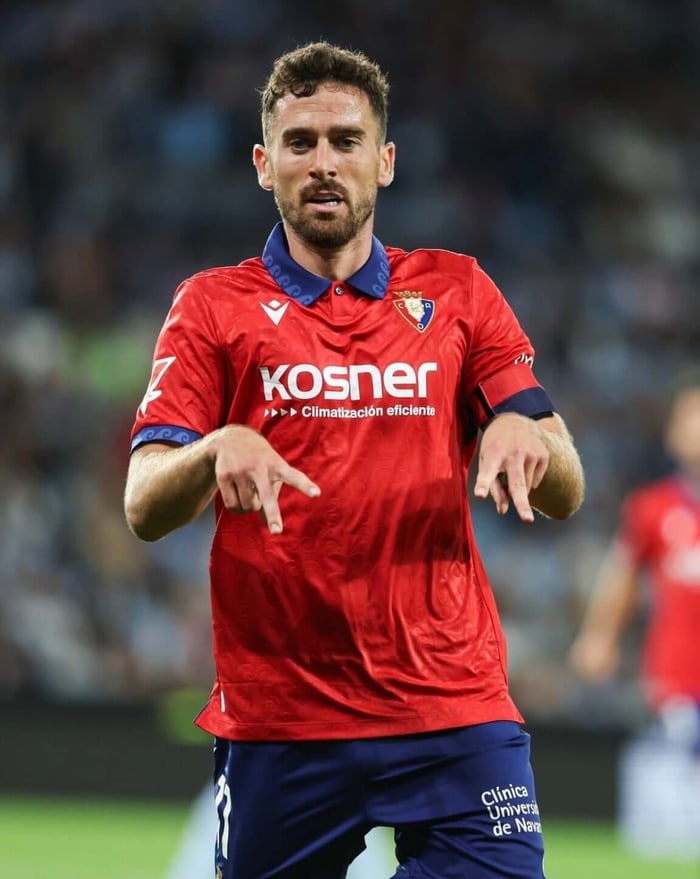
Osasuna have a pattern inspired by the mosaic work of Pamplona’s Plaza del Castillo. Aberdeen’s new away shirt incorporates a graphic influenced by the façade of the Sir Duncan Rice Library. UD Almería have rough, almost painted stripes alongside the Indalo symbol associated with the province. Viktoria Plzeň have looked towards the colours of farmland and harvest.
Then there is Nantes. Their shirt takes inspiration from elephant skin. There are probably meetings at other sportswear companies in which somebody would gently close the PowerPoint at that point. Macron appear to have said carry on.
That willingness to make things slightly strange is important. The best football shirts have rarely been the ones arrived at by committee after every potentially divisive idea has been removed. They usually contain something that shouldn’t quite work. A strange collar. An unnecessary pattern. Colours that sound dreadful when you describe them. Something that makes half the supporters complain before eventually becoming the shirt everyone desperately searches for twenty years later.
Macron seem more willing than most to take those chances at the moment.
It also helps that bespoke design has become an increasingly valuable selling point for the company. When Aberdeen moved from adidas to Macron this summer, supporters discussing the change pointed to comments from the club that included greater freedom over design and being part of a smaller group of supplied clubs among the attractions. That probably gets close to the heart of what Macron can offer.
It is difficult for a manufacturer supplying some of the biggest institutions in world football to treat every club as though it is the only one on the books. Macron’s position further down football’s commercial hierarchy might actually work in its favour. Crystal Palace matters enormously to Macron. Aberdeen matters. Bologna matters. Osasuna matters.
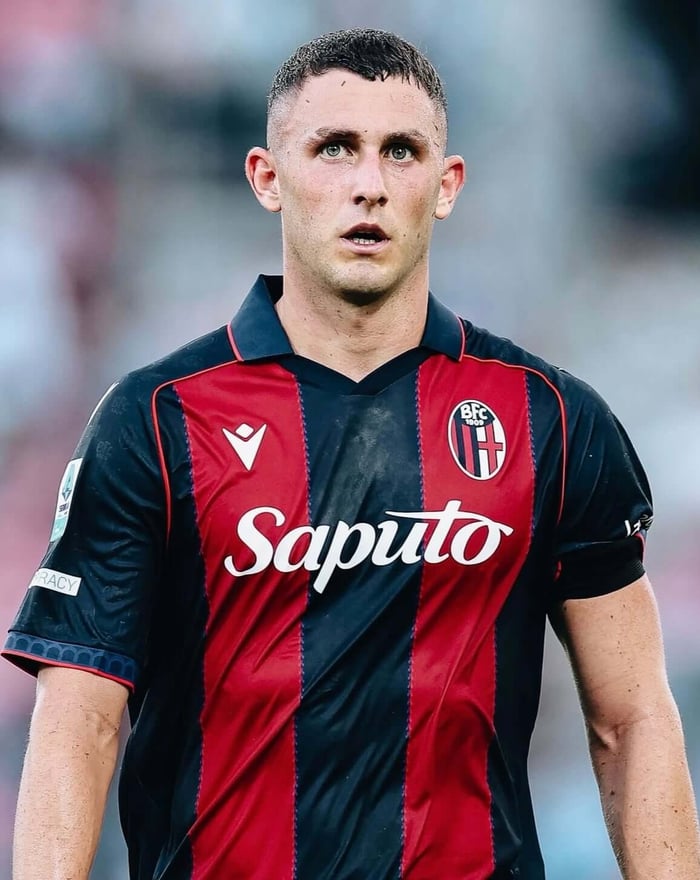
And you can see that in the shirts.
There is also a wider shift happening around football clothing that makes Macron’s timing pretty much perfect. Shirts now have to do far more than function as sportswear. They are collectibles, souvenirs and fashion pieces. They are being worn to festivals and restaurants, tucked into trousers and layered underneath jackets. People buy shirts from clubs they do not support because the design itself is good enough to justify owning it.
A generic football shirt therefore has a much harder job than it once did.
When somebody already owns thirty, fifty or several hundred shirts, another perfectly pleasant red one is not necessarily going to move them. Give them something referencing a city square, a library, a slate quarry or, apparently, an elephant, and suddenly there is a story attached to it.
That is the part Macron appears to understand particularly well.
There isn’t really a recognisable Macron aesthetic in the way there is with certain periods of adidas or Kappa. The little Macron Hero sits on the chest, but after that the club is largely allowed to take over. Palace looks like Palace. Wrexham looks like Wrexham. Aberdeen looks like Aberdeen.
For years that absence of an instantly recognisable house style might have been part of the reason Macron never felt particularly cool. The biggest sportswear brands created worlds people wanted to belong to. Macron made kits.
Now football shirt culture has moved towards individuality, and suddenly making kits might be exactly the point.
None of this means every Macron shirt is brilliant. When you supply as many teams as they do, there will inevitably be some forgettable ones. There are still supporters who will see the Macron logo and immediately start worrying about whether they need to order three sizes larger than usual. That reputation does not disappear because of one particularly strong summer.
But the perception of the brand does feel like it is changing.
Macron spent years quietly building one of the largest teamwear operations in sport without ever becoming the manufacturer football culture obsessed over. More than fifty years after starting life selling baseball equipment in Bologna, it now finds itself responsible for some of the most distinctive shirts in the game.
They have been the coolest.
But right now, Macron are on a heater.