The best football photography of the summer didn't come from the touchline. Or any stadium at all. French photographer Florence Pernet didn't apply for World Cup accreditation this year. That detail matters, because most of the story doing the rounds online frames it as a rejection. It wasn't. She's said plainly that the scale of a US-hosted tournament felt like it would be enormous and a little chaotic, and that as a lifelong football fan, she simply wanted to watch this one rather than work it.
So she watched it. And then, because she's a photographer before she's anything else, she pointed her camera at the screen and started shooting anyway.
This isn't the first time limited access has pushed Pernet's work somewhere more interesting.
At the Paris Olympics, she found herself without the photo access she'd normally have for football. Rather than treat that as a setback, she's described it as the moment her style sharpened. With the obvious vantage points closed off, she had to find different ones, and in doing so she leaned harder into the things that already set her work apart: detail, gesture, the moments either side of the action rather than the action itself.
The World Cup shots are that same instinct taken one step further. No accreditation this time wasn't a constraint to work around. It was simply not the plan at all. The TV pictures were never a substitute for being there. They were their own project.
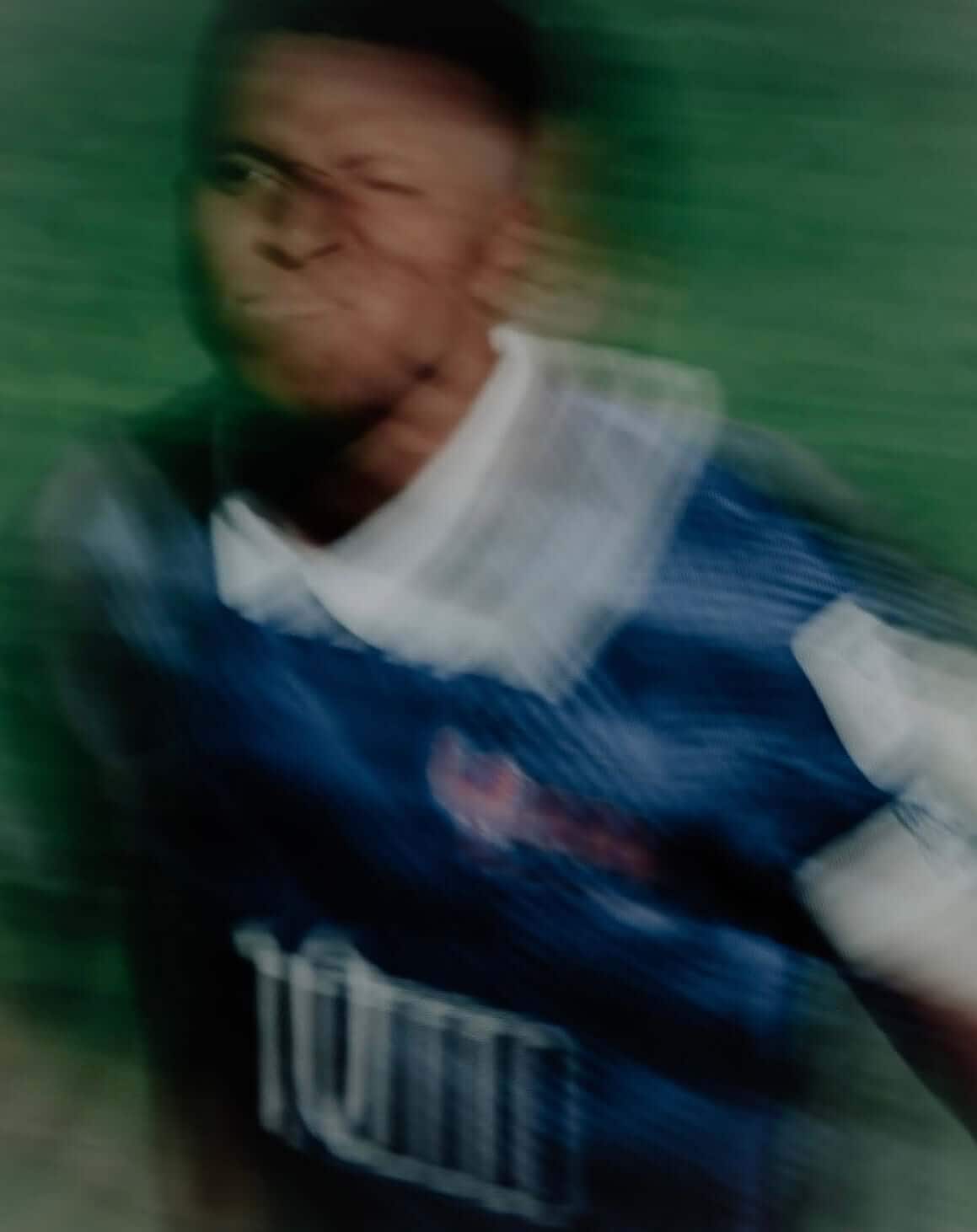
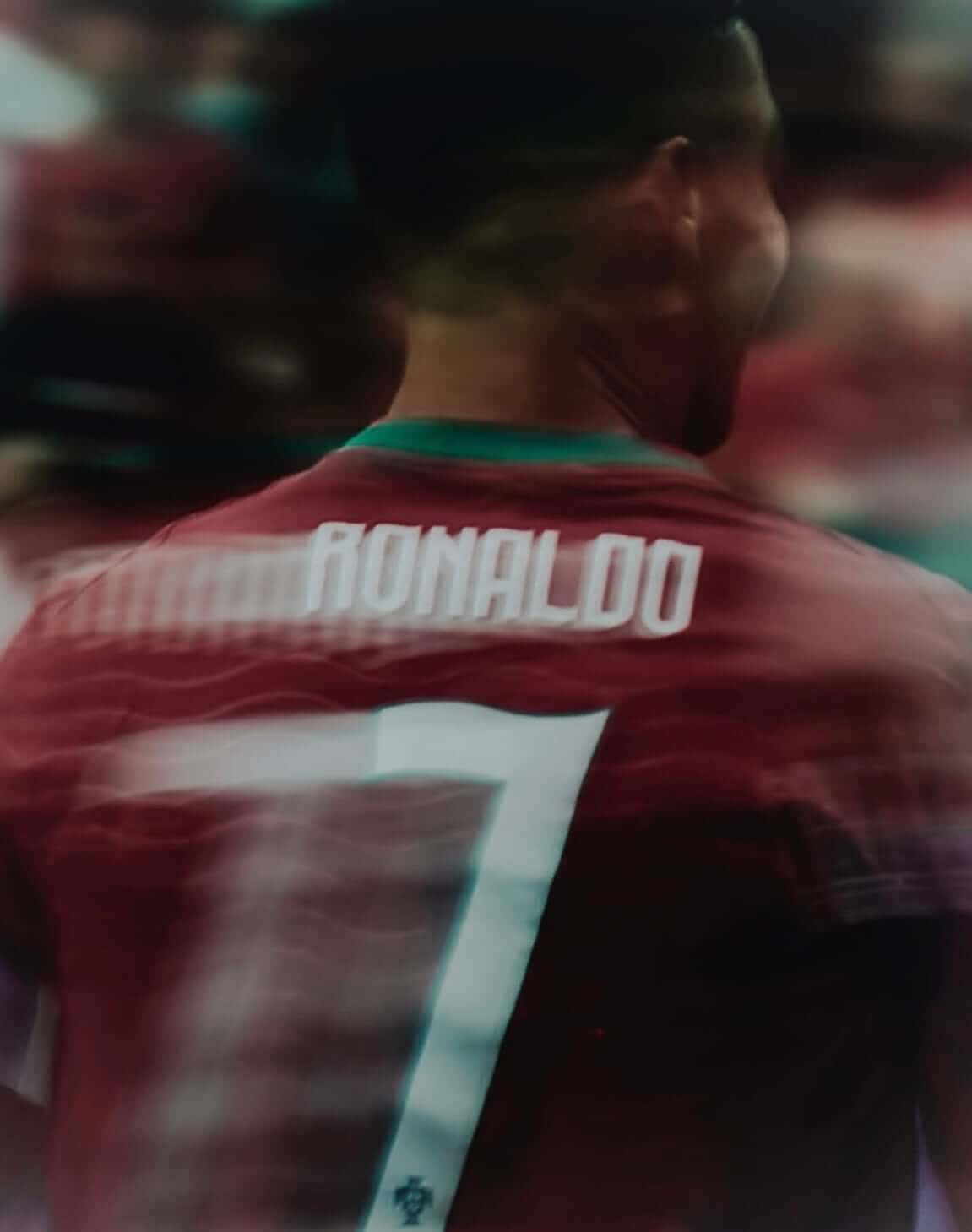
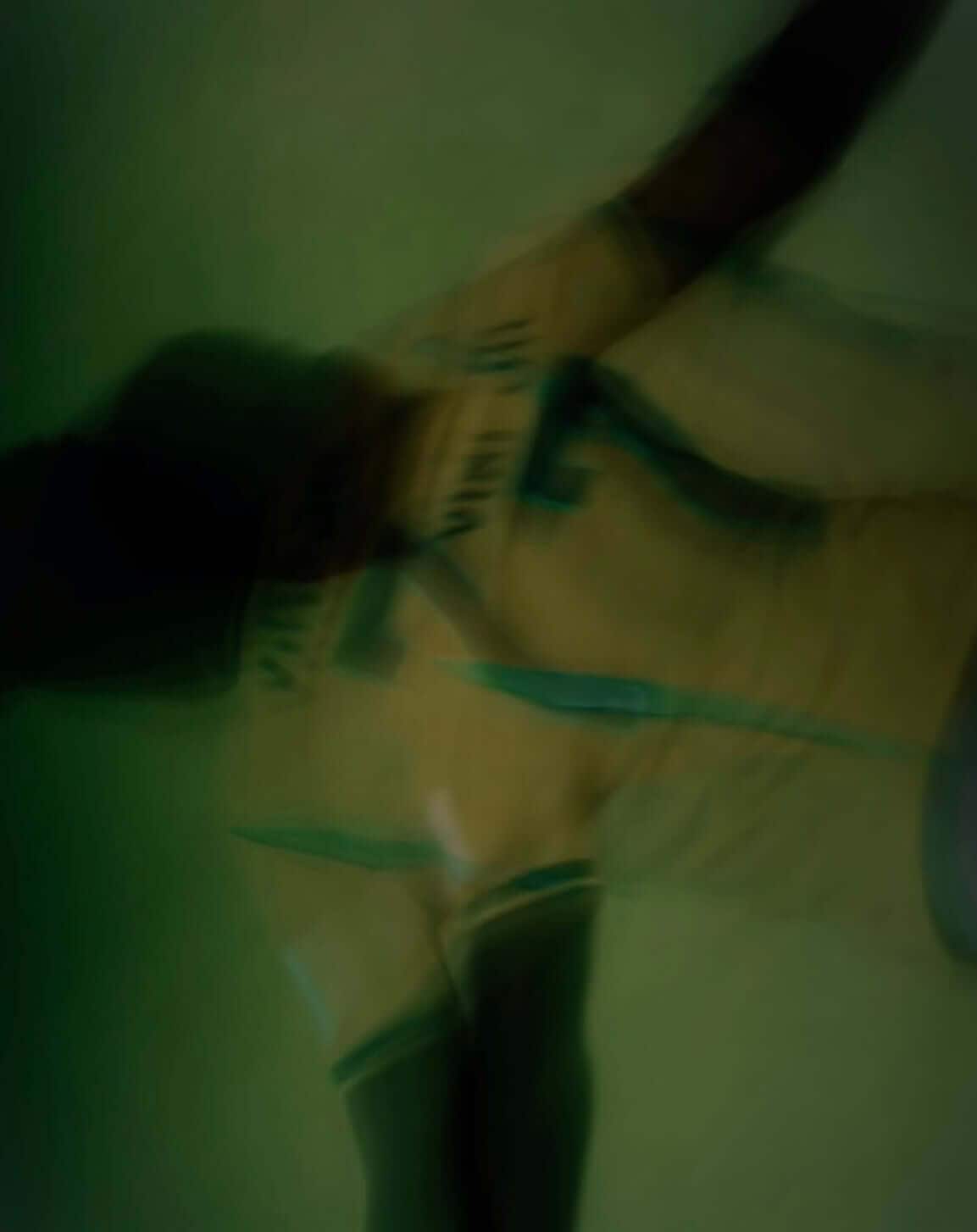
Inspired by the work of Matthew Johnson and drawing on a tradition of screen-based photography going back to Harry Gruyaert, Pernet pointed her lens at the broadcast itself rather than trying to shoot around it. Scan lines, motion blur and the soft digital glow of a TV screen weren't smoothed out in post.
The results don't look like conventional sports photography. Kylian Mbappe appears as a streak of blue and white rather than a sharp, frozen sprint. Faces blur into grain. Players start to look less like athletes mid-action and more like something half remembered.
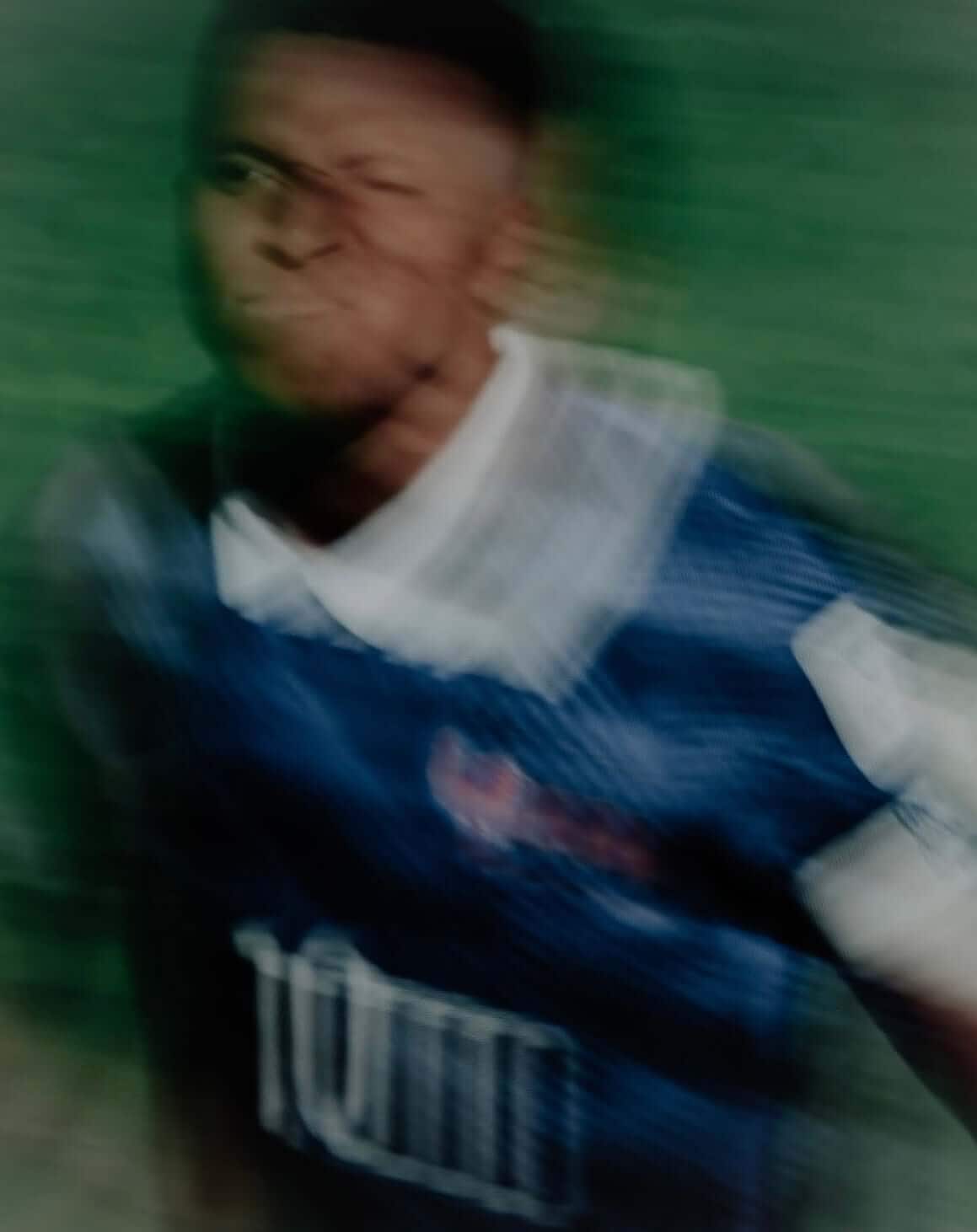
Anyone with the right lens and a good seat can photograph a footballer running. Pernet photographed what it feels like to watch one on television, late at night, half paying attention, the way most of the world actually experiences a World Cup.
Football photography has spent decades chasing proximity. Better access, better positions, longer lenses. The unspoken assumption has always been that getting physically closer produces a better picture.
Pernet's TV series quietly argues otherwise.
A television screen already sits one step removed from the pitch. Photographing that screen adds a second layer of distance on top of the first. What comes out the other end isn't documentary photography in any conventional sense. It's closer to memory than reportage, an interpretation of the match rather than a record of it.
That's likely why the images have resonated the way they have. Most people don't watch a World Cup from the touchline. They watch it from sofas, kitchen tables and crowded pubs, through a screen that's rarely as crisp as the broadcast wants it to be. Pernet's photographs look like that experience, not like the polished version a press pass usually produces.
It's a reminder that her career has followed this exact logic before. A shy teenager who got into the Parc des Princes with a camera rather than a season ticket, learning that photography was a way to be close to the game without having to perform being close to it. Years later, an Olympics where the access disappeared and the perspective got better as a result. And now a World Cup watched on her own terms, turned into the kind of football photography only someone who'd rather watch the match than chase the shot could have made.
She didn't lose access to the World Cup. She just decided, for once, not to chase it.
One thing worth keeping in mind on this one specifically: it's about a real, named, working photographer, so if you publish it, it's worth a quick sanity check against her own most recent caption or interview at the time you go live, in case anything's shifted since I last looked at it.