What struck us most about Ultras is not the football. It's the people.
That might sound obvious in a documentary about supporters, but Ragnhild Ekner's film is not really interested in the sport itself. The goals, the results and the league tables barely register. Instead, Ultras asks a different question. What makes thousands of people devote their lives, their money and their time to something that so often gives them nothing tangible in return?
Ekner is uniquely positioned to answer it. A lifelong supporter of IFK Göteborg, she approaches the subject not as an outsider looking in, but as someone who already understands the pull of the terraces. The film, shot over seven years and across eight countries on four continents, takes viewers from Sweden to Indonesia, from Morocco to Argentina, building a portrait of ultra culture that feels both vast and deeply personal.
That scale is one of the film's great achievements. Too often, discussions around ultras become trapped in national stereotypes. Here, Ekner finds common threads everywhere she goes. Different languages, different politics, different histories, yet the same rituals. The same songs. The same belief that showing up matters.
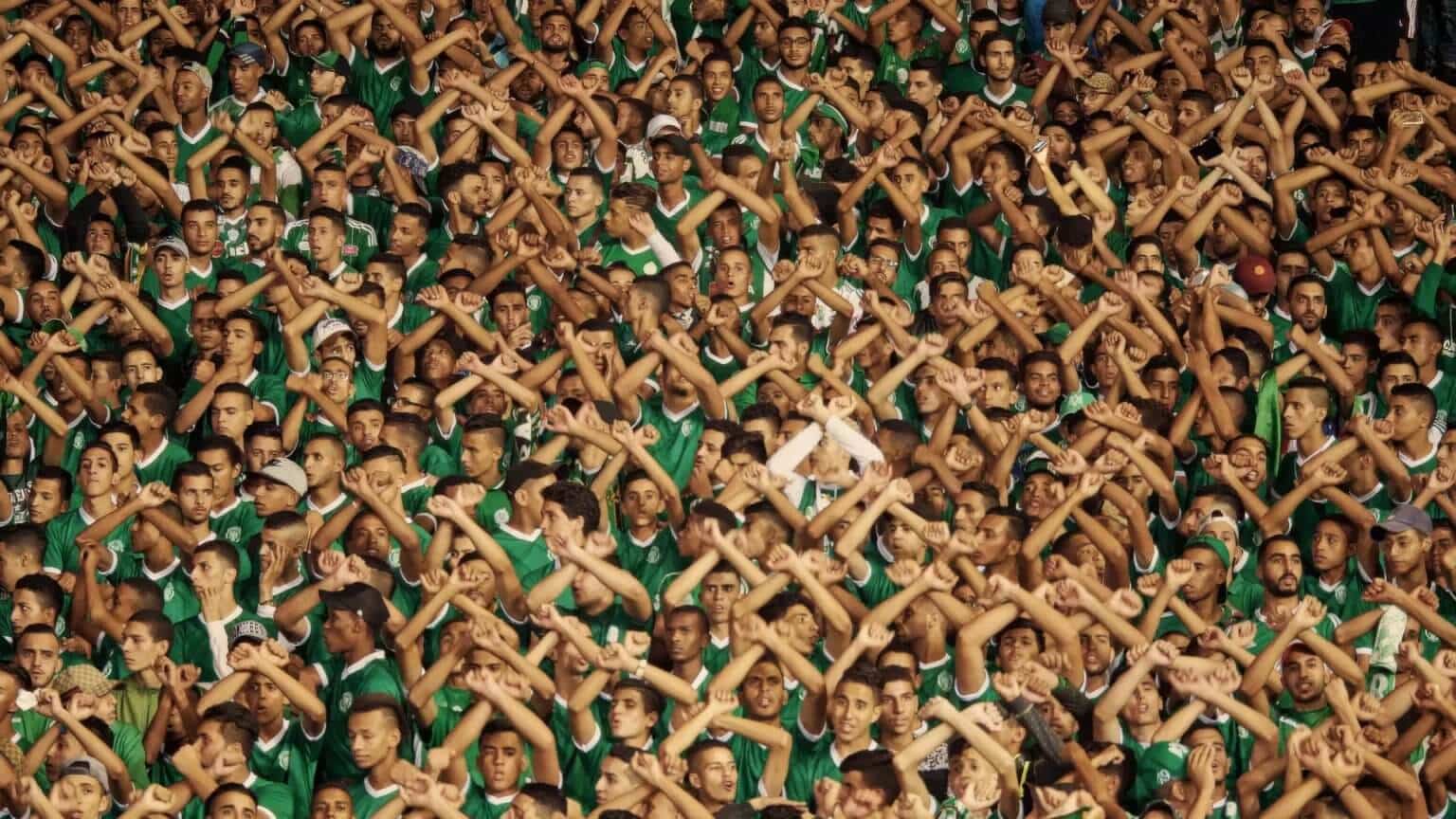
Visually, the film is extraordinary. Terraces become living works of art. Giant tifos are painted, stitched and assembled over thousands of volunteer hours. One sequence follows the creation of an IFK Göteborg display that required an estimated 2,200 hours of labour and materials donated entirely out of love for the club. Elsewhere, supporters of Indonesia's PSS Sleman transform an entire stand into a giant moving mosaic through nothing more than coordination and commitment.
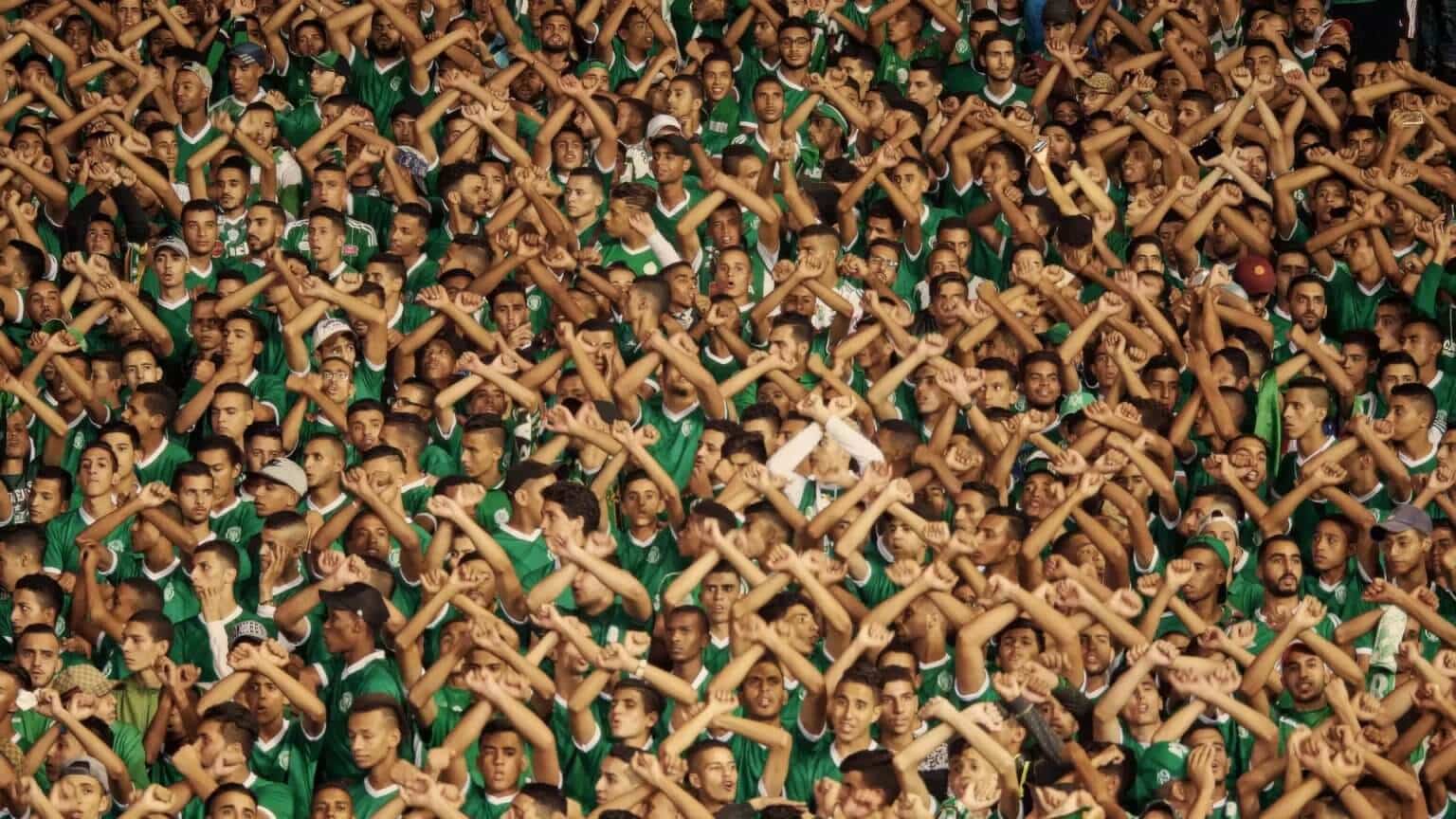
But the film's real strength lies in where it chooses to point the camera. Ekner rarely focuses on the pitch. Instead, she lingers on faces, flags, flares, marches and embraces. The match often feels secondary to everything surrounding it. That decision becomes more powerful as the documentary unfolds. Gradually, Ultras reveals itself not as a film about football fandom but as a film about community.
Again and again, supporters describe the terraces as a family. For some, football offers purpose. For others, it offers belonging. Grief, loneliness, friendship, identity and ritual all emerge as recurring themes. One of the film's most affecting ideas is that fandom provides something increasingly rare in modern life: a place where people feel connected to something larger than themselves. As Ekner herself describes it, ultra culture can be seen as "an uprising against loneliness."
That idea sits at the heart of the documentary. We live in an age of increasing individualism, where communities often feel fragmented and temporary. The ultras reject that. They choose commitment. They choose ritual, belonging. Whether standing behind a goal in Gothenburg, Cairo or Buenos Aires, the impulse feels remarkably similar.
Some reviewers have argued that Ekner romanticises her subject, sidestepping difficult questions around hooliganism, extremism and the darker corners of ultra culture. Those criticisms are fair. The documentary is undeniably partisan. Ekner openly approaches the movement as a believer rather than an investigator.
Yet we found ourselves largely accepting that choice. There are countless documentaries about football violence. Countless newspaper columns about disorder and tribalism. What makes Ultras interesting is its willingness to look elsewhere. Not at what ultras do when things go wrong, but at what keeps them coming back when things go right.
By the end, the film becomes something surprisingly moving. The football itself fades into the background. What remains are questions about belonging, identity and why people seek meaning in collective experiences. The chanting, the banners, the smoke and the colour all become expressions of something much older and deeper.
Ultras will not convert everyone. Nor does it try to. But it is beautifully, rhythmically shot, and often genuinely profound in its exploration of fandom, ritual and community. It understands that football clubs are rarely the point. The people are.
And for that reason alone, it is worth your time.
Ultras is now available on digital to rent or own.