Football Shirt Valuation: A Collector's Guide
One of the strange things about football shirt collecting is how rarely we talk about value when we first start.
Most collections begin with emotion rather than calculation. A shirt reminds you of a player, a season, a goal or a period of your life. You buy it because you want it, not because you've spent hours researching market trends. The idea that one day you'll be interested in what it's worth feels faintly ridiculous. It is a football shirt, not a stock portfolio.
Then the collection grows.
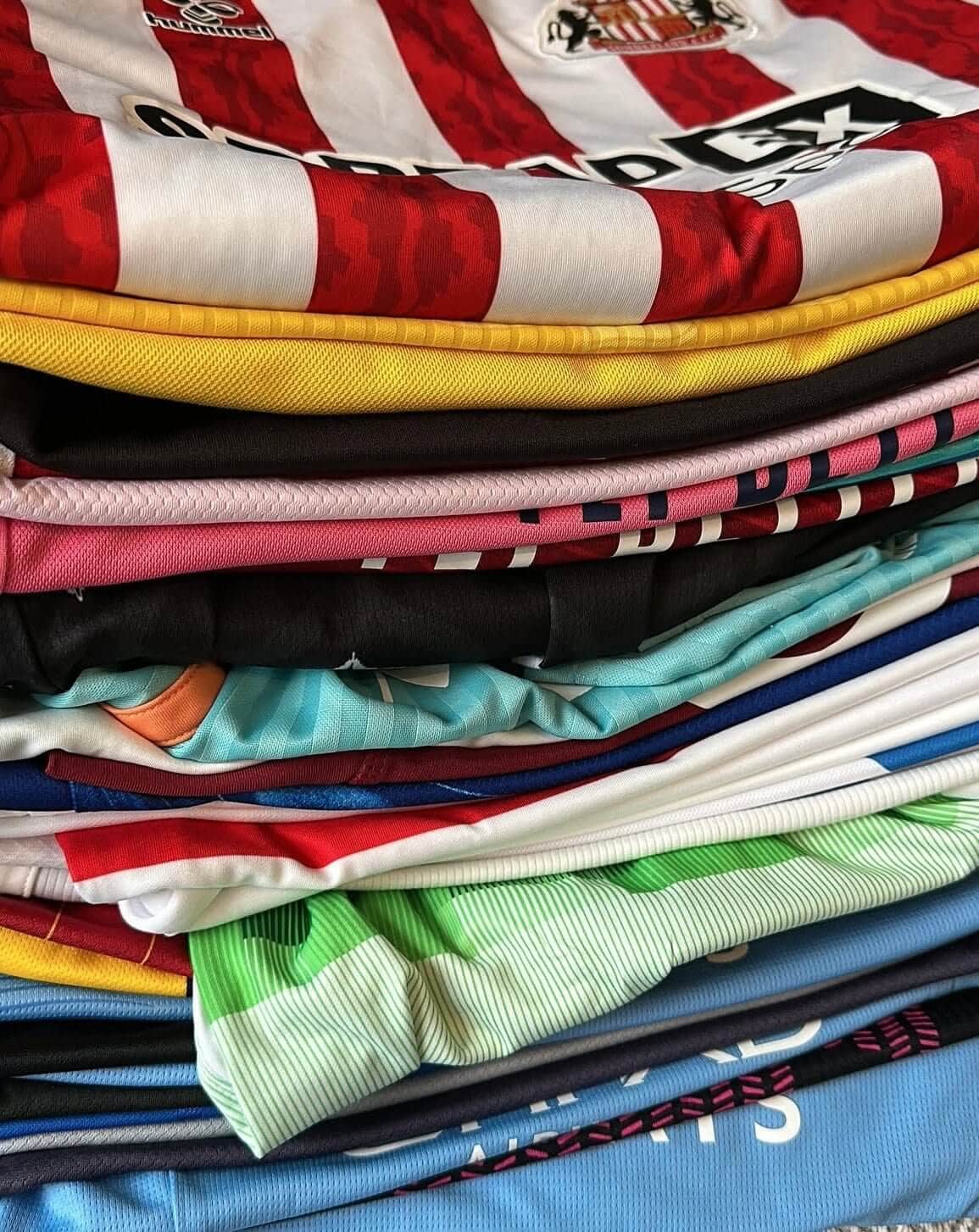
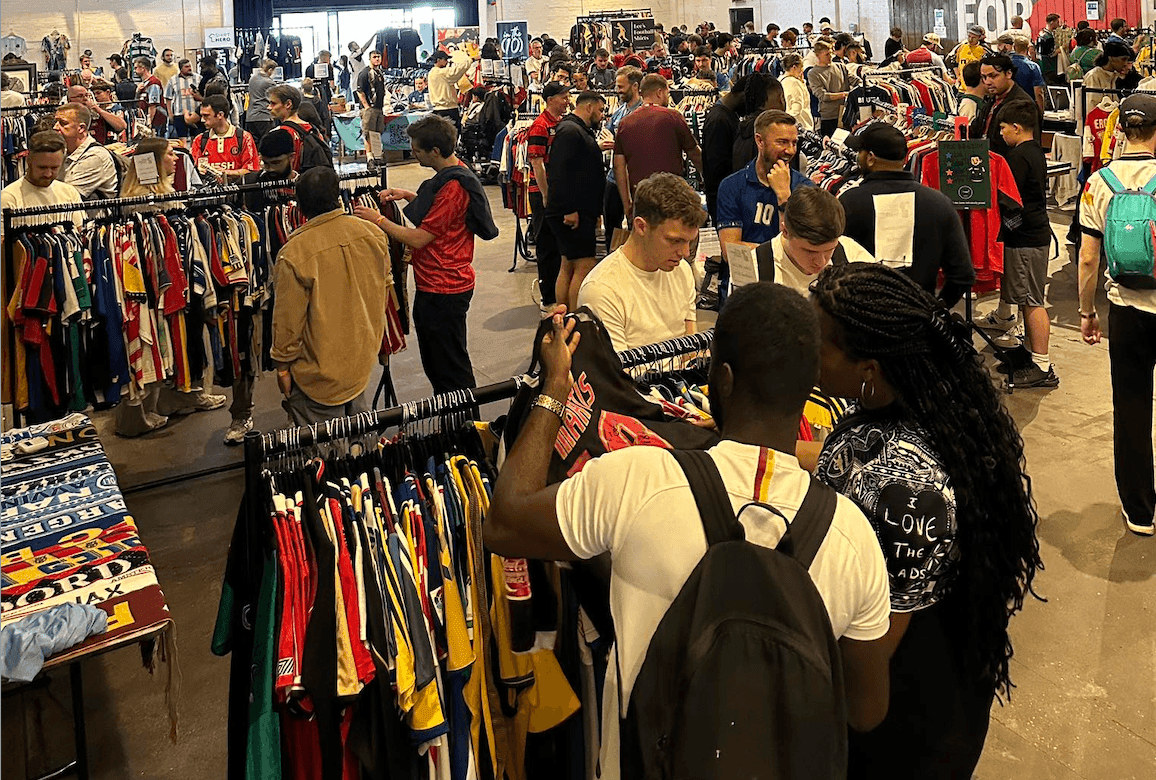
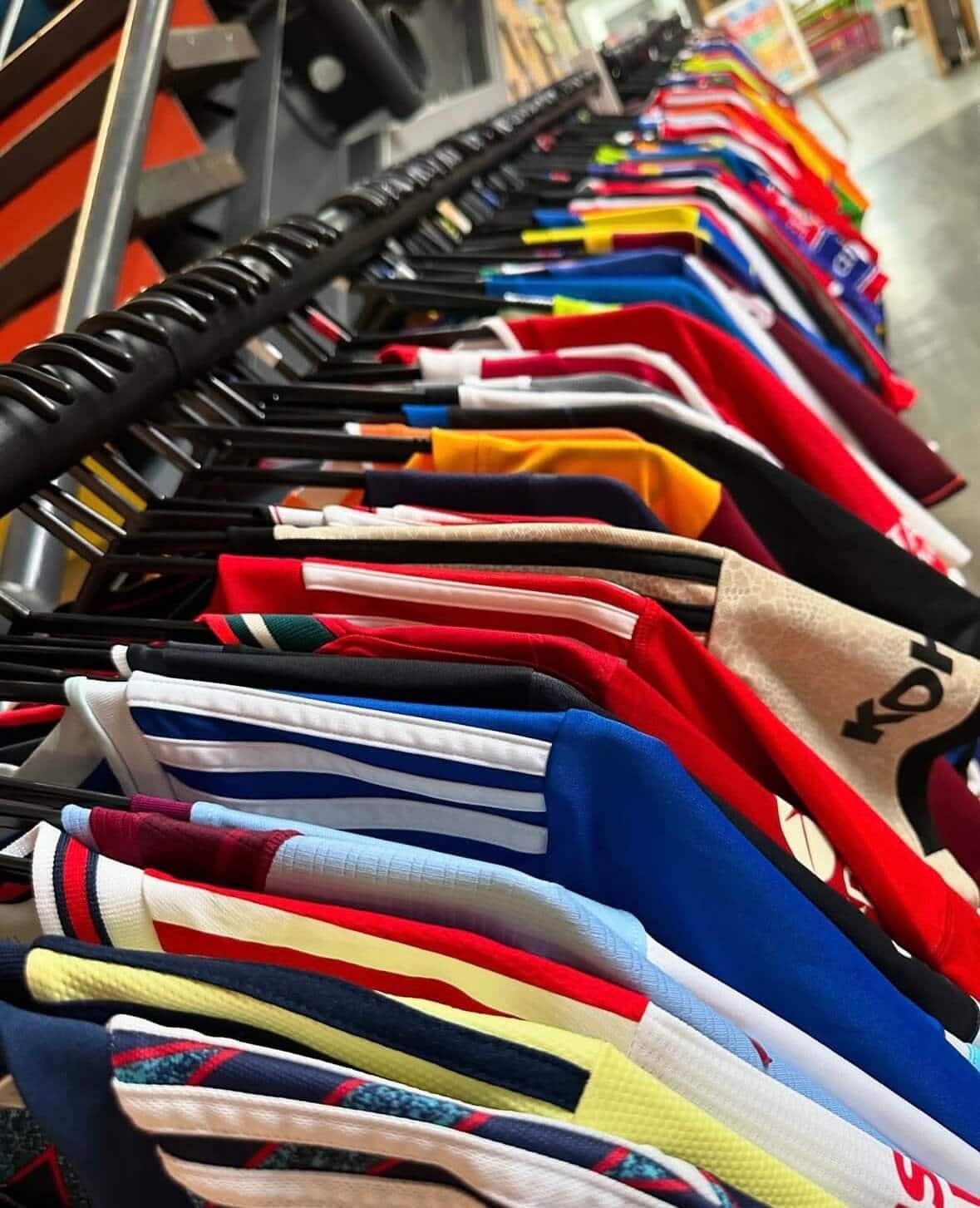
A few shirts become a few dozen. Shelves become rails. Boxes begin appearing in cupboards. At some point, usually without realising it, you stop owning a handful of football shirts and start owning a collection. That is often the moment value enters the conversation.
Not because you're looking to sell, necessarily. Most collectors aren't. It is more that curiosity takes over. You start wondering whether that Fiorentina shirt you picked up years ago would cost more today. You notice that the Parma shirt you bought on a whim is suddenly harder to find. You see prices that feel absurd and wonder whether anyone is actually paying them.
The truth is that football shirt values are rarely as straightforward as people imagine.
Collectors often talk about rarity as though it is the only thing that matters, but anyone who has spent enough time around the hobby knows it is far more complicated than that. Some genuinely rare shirts attract surprisingly little attention. Others seem to become more desirable every year despite appearing regularly on the market. Condition matters. Timing matters. Nostalgia matters. Sometimes a shirt's story matters more than anything else.
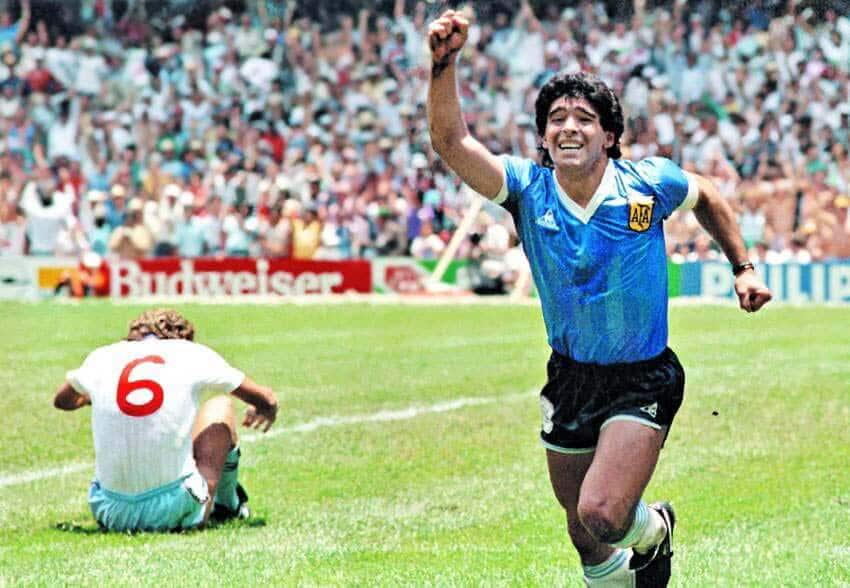
A good example is the explosion in interest around certain shirts from the 1994 World Cup. For years they were appreciated by collectors, but largely remained within specialist circles. Then a new generation of supporters discovered them. Brands began revisiting nineties design language. The wider football shirt market expanded. Suddenly shirts that had spent years quietly changing hands became centrepieces of collections.
The shirts themselves had not changed. The market around them had.
That is usually how value works.
Football shirts exist in conversation with culture. A club enjoys an unexpected resurgence and older shirts become desirable again. A cult player receives a documentary and collectors start searching for shirts connected to their career. A major tournament anniversary arrives and an entire generation is reminded of shirts they once wanted but never owned. The market shifts constantly, sometimes dramatically, often without warning.
The challenge for collectors is that these changes are surprisingly difficult to track.
The obvious place to start is with asking prices. Most of us have done it. You search for a shirt online, find a handful of examples and assume the answer is somewhere in front of you. The problem is that asking prices only tell part of the story. Anybody can list a shirt for £300. Whether somebody is willing to pay £300 is a very different question.
This is where experience starts to matter.
Collectors who spend years around the market develop a feel for it. They recognise which shirts disappear quickly and which ones linger. They begin to understand the difference between a shirt that is expensive and a shirt that is valuable. Those sound like the same thing, but they often aren't. One reflects a seller's ambition. The other reflects actual demand.
Over time, most collectors build that instinct naturally. They notice patterns without necessarily meaning to. They learn which manufacturers have become fashionable again. They understand why original namesets command premiums. They begin to appreciate how dramatically condition can affect value, particularly once you move into older shirts.
Two shirts that look identical in a photograph can end up separated by hundreds of pounds in the real world.
That becomes particularly important as collections grow.
A collection of ten shirts can live comfortably in your memory. A collection of fifty starts testing it. A collection of one hundred or more introduces a different problem entirely. At that point, remembering what you paid for every shirt, when you bought it and what it might be worth today becomes increasingly difficult.
Most collectors eventually create some kind of system. For years that usually meant spreadsheets, notebooks, saved searches or folders of photographs. Plenty still use them. There is something reassuringly old-school about maintaining your own records, particularly in a hobby that often feels connected to memory and nostalgia.
The difficulty is that those systems tend to separate the collection from the market around it.
You know what you own, but you don't always know where it sits. You know what you paid, but not necessarily how values have changed since then. You know which shirts matter to you, but not how collectors more broadly view them.
That is where valuation becomes useful.
Not because it tells you what to sell. Not because it turns collecting into an investment strategy. Most people who enter the hobby with that mindset tend to discover they are missing the point. Valuation is useful because it provides context. It helps you understand what you've built.
A football shirt collector app changes that process slightly. Rather than treating your collection as a static list of shirts, it allows you to view it within the wider collecting landscape. Shirts become easier to catalogue, easier to compare and easier to value. The collection starts feeling less like a series of isolated purchases and more like a connected whole.
Ultimately, that is what most collectors are really looking for. Not a perfect number. There probably isn't one. Football shirts are too emotional, too subjective and too dependent on timing for complete precision. What people want is a clearer picture. An understanding of where their collection sits today and how it has evolved over time.
Because the funny thing about valuation is that it often has very little to do with selling.
In many cases, it simply deepens your appreciation of the collection itself. It reminds you which shirts have become harder to find. It highlights purchases that turned out to be smarter than you realised. It occasionally reveals that the shirt you almost forgot about has quietly become one of the most desirable pieces you own.
Most collectors will never sell their favourite shirt, regardless of what somebody offers them.
But understanding its place within the wider market still tells part of its story.
And collecting, when you strip everything else away, has always been about stories.
Showboat, quietly and quickly, lets you know the value of your collection. Usually within 24 hours.
Related Reading
The Best Football Shirt Collector App
How to Catalogue Your Football Shirt Collection