
Sampdoria entered the 1990s as if stepping out of a dream they had barely finished dreaming. The Scudetto still shimmered and the sense remained that this was a team touched by something rare. Not power or wealth, but harmony.
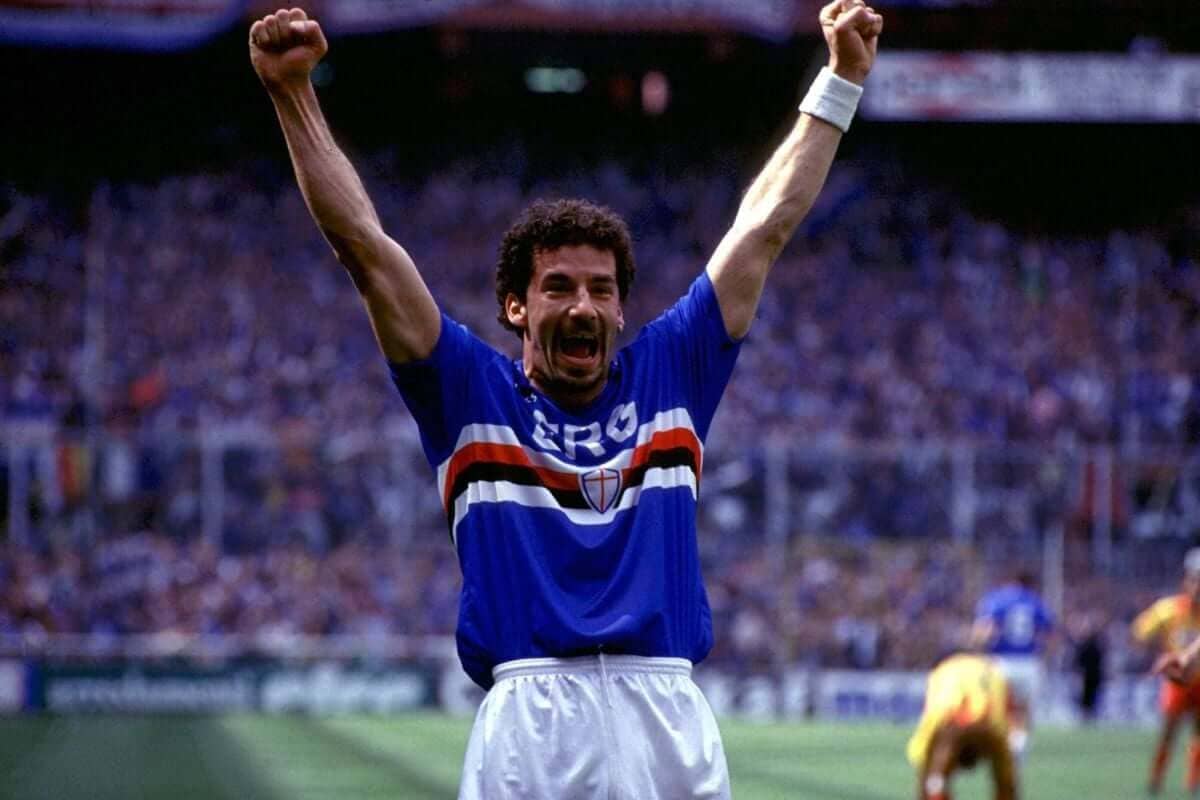
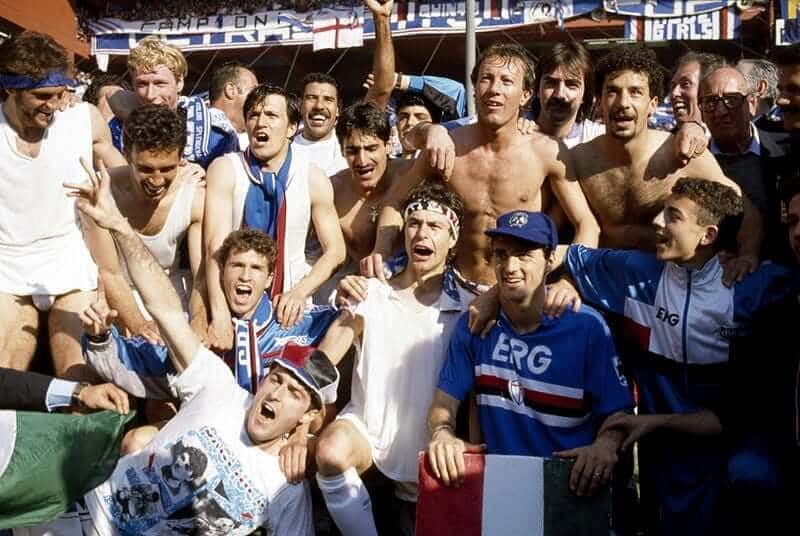
That harmony had names. Vialli and Mancini, not just partners but conspirators. Pagliuca behind them, elastic and fearless. Vierchowod marshalling the back line with cold authority. Lombardo running until the pitch gave up. Around them, Mantovani had built something unusually patient, a squad that felt grown rather than assembled. The 1990 Cup Winners’ Cup win in Gothenburg was confirmation rather than surprise. Sampdoria were now firmly at the top table. The Scudetto that followed the following season - the only one in their history - was a dream realised but one so joyous that the club, sleepily, began to wake up to the cold hard truths of football.
Wembley in 1992 became the hinge on which the decade quietly turned. The European Cup final gone in an instant, the realization that perfection does not always come with a reward. After that night, nothing collapsed, but something slipped away. Vialli departed, and the certainty that tomorrow would be as beautiful as yesterday began to fade. Sampdoria remained good, often very good, but no longer enchanted.
The years that followed were defined by attempts to hold the line. New names arrived with pedigree and promise. Gullit came, brilliant but fleeting. Mihajlovic arrived with his thunderous left foot, fire and edge replacing elegance. Seedorf passed briefly through, a glimpse of the future in borrowed colours. There were Coppa Italia finals, European nights, league finishes that kept Sampdoria respectable, present, involved. But presence is not the same as magic.
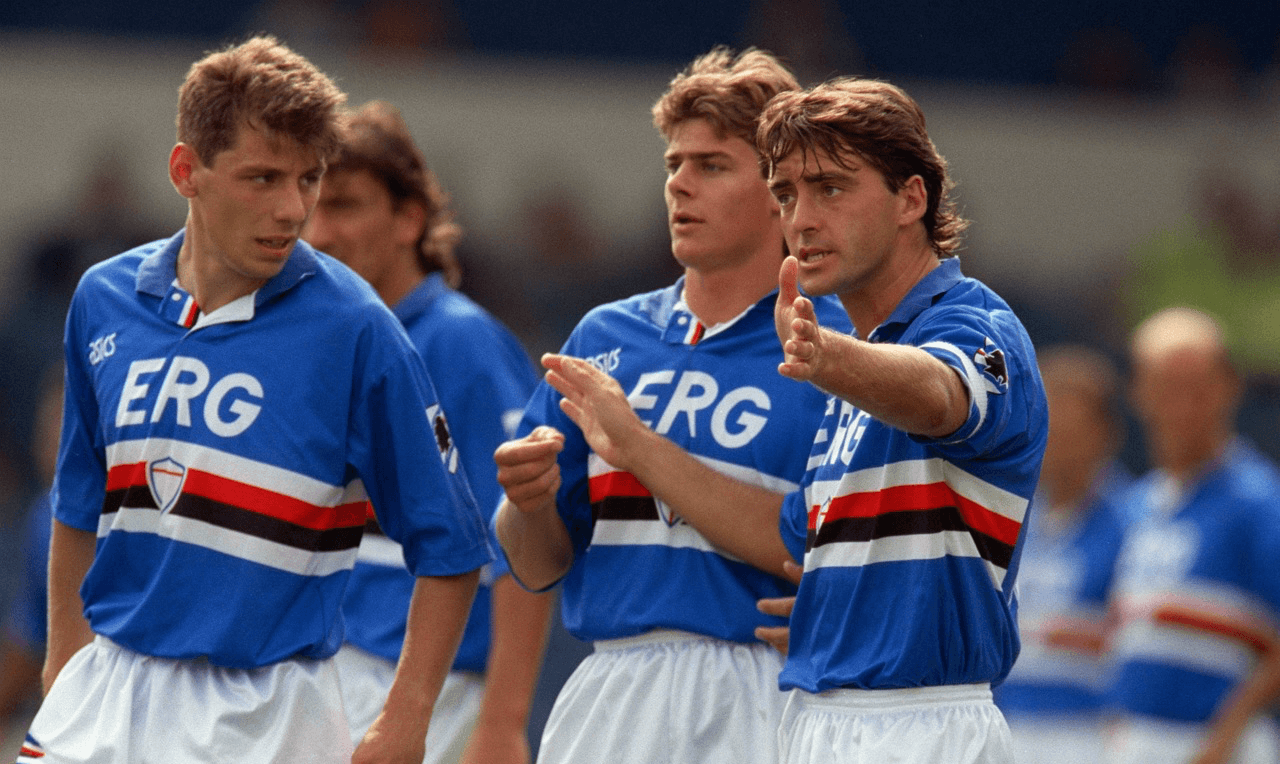
The death of Paolo Mantovani cast a longer shadow than any defeat. He had been the club’s soul as much as its steward, and without him Sampdoria grew cautious, quieter. Mancini stayed on, carrying memory as much as responsibility, but even he could not stop the slow return to normality. The feeling that Sampdoria belonged among the chosen was gone.
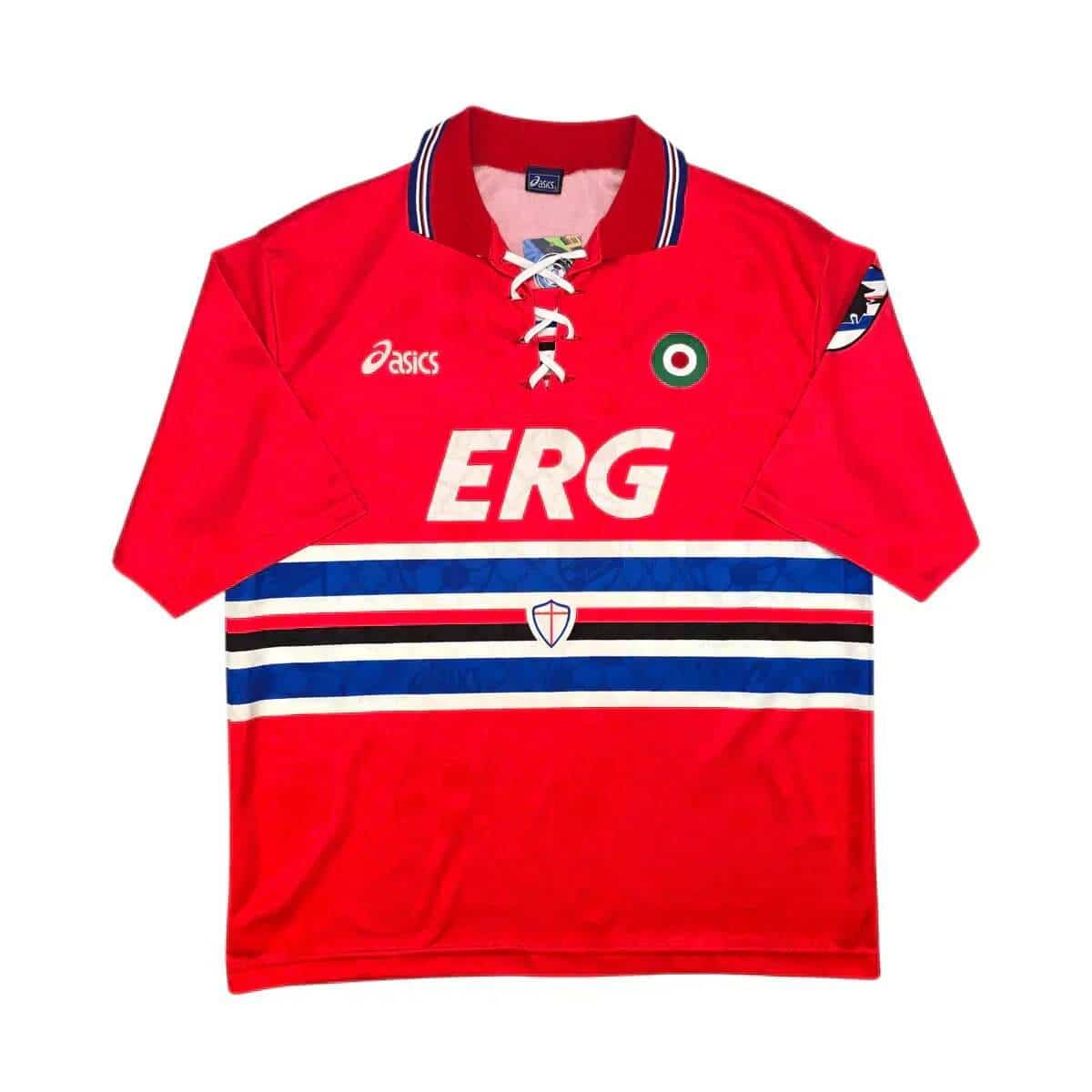
By the end of the decade, the shirts still carried history, but the weight had shifted. The stadium remembered more than it anticipated. Survival replaced ambition. What had once felt inevitable now felt fragile.
Sampdoria were human again. The fairytale closed gently, leaving behind something softer and sadder: remembrance. Their 1990s are not recalled for decline so much as for distance. Years after seeing something perfect, now spent glancing back over the shoulder, knowing it will never feel the same again.